
About REST
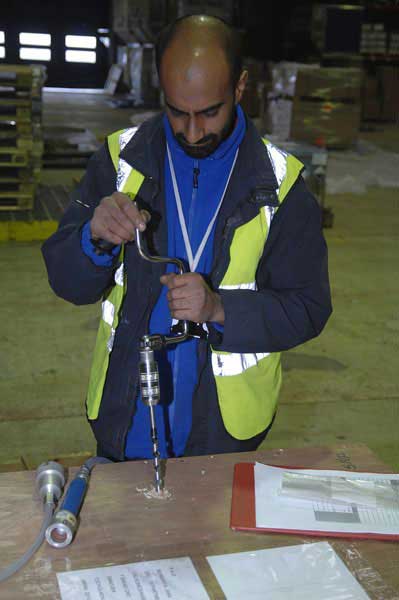
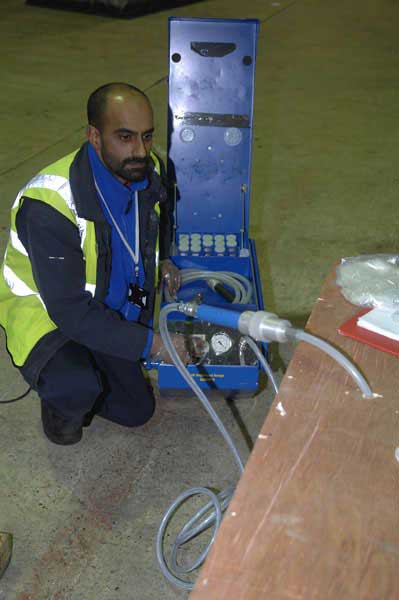
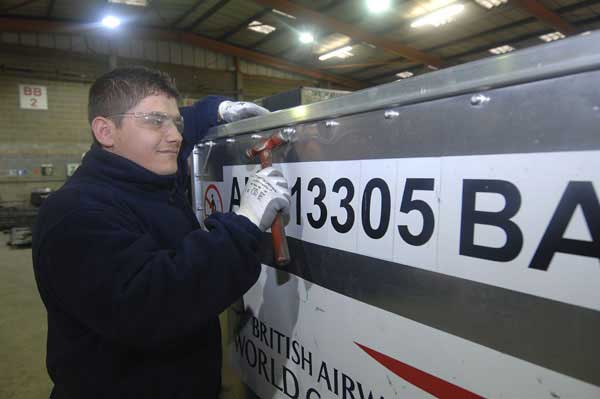
REST (Remote Explosive Scent Tracing) is a method of detecting explosive vapours. Consignments for REST must be isolated, completely wrapped and stood for a minimum period of two hours. Several air samples are then removed from various parts of the shipment by means of a portable vacuumed pump through a filter.
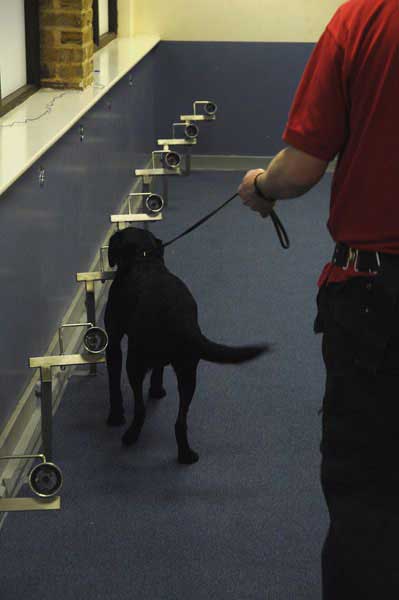
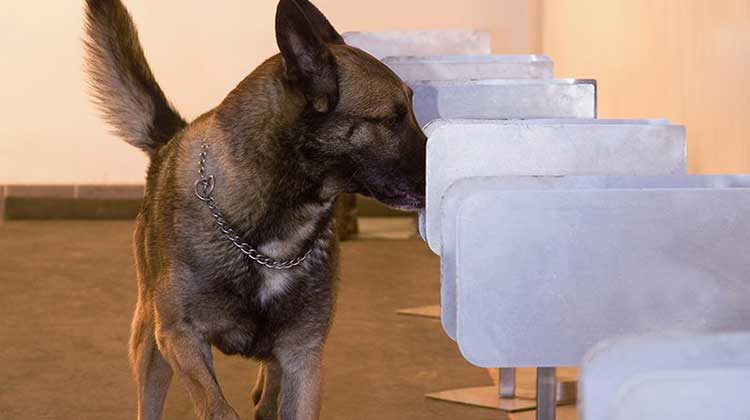
Filters are then transported to a separate location (analysis room) and placed in a stand under controlled conditions away from the consignment and interrogated by an explosives Dog. If the shipments are cleared the Agent will receive a statement from the REST operator claiming the shipment to be free from explosives.
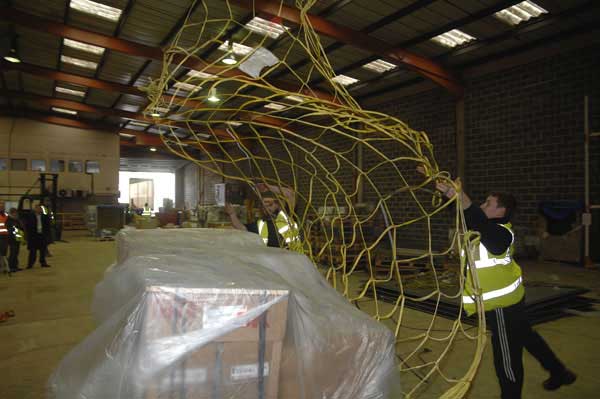
The legislation states that all cargo loaded onto a passenger-carrying aircraft must undergo one of the approved methods of security screening. These are:
Cargo which has undergone one of these procedures can then be classified as SPX cargo (cargo that has been screened to enable it to be transported on any type of aircraft).
History of REST
1988
Terrorist Bombing
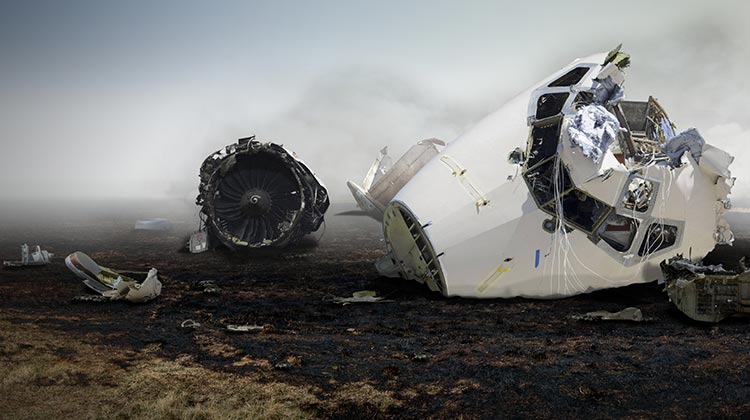
After Pan AM flight 103 was bought down by a terrorist bomb killing 270 people in 1988. The British government realised that changes needed to be made to aviation security.
During the late 80s and 90s research into demining was being conducted in South Africa with explosive detection Dogs. Followed by trials on boarder control using remote air sampling through fly screen filters and detection Dogs.
This concept of remote air sampling vehicles was rolled onto trials at the channel tunnel in the early 90s involving the DFT and DSTL.
1993
A New Directive
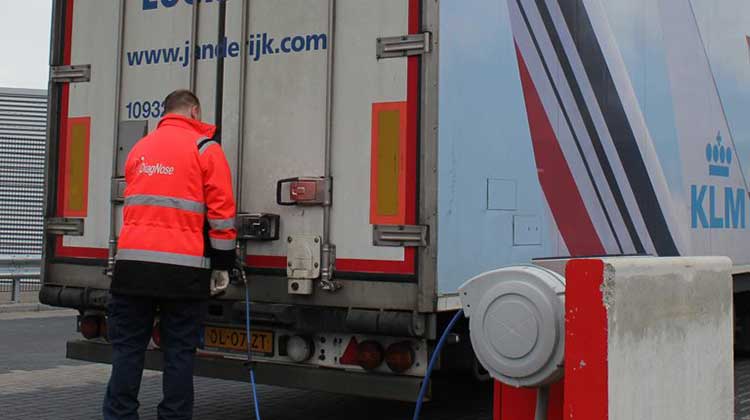
In 1993 the DFT introduced a new directive aimed at improving airfreight security. It soon became apparent that a lot of air cargo was difficult to screen due to size. The REST system (Remote Explosives Scent Tracing) offered a solution to this problem.
The first trial was conducted at Manchester airport in 1998 and in 2001 the DFT changed the name to RASCO as it approved the system for aviation security.
ICTS were one of the first commercial companies accredited by the DFT to roll out the system in UK airports followed by Airworld security.
2002
Success In France
In 2002 the system was demonstrated in France and ICTS set up their own system shortly followed by DiagNose. This convinced the French authorities that they could successfully sample from trucks. The system has been used in Europe ever since.
2014
REST Stopped In The UK
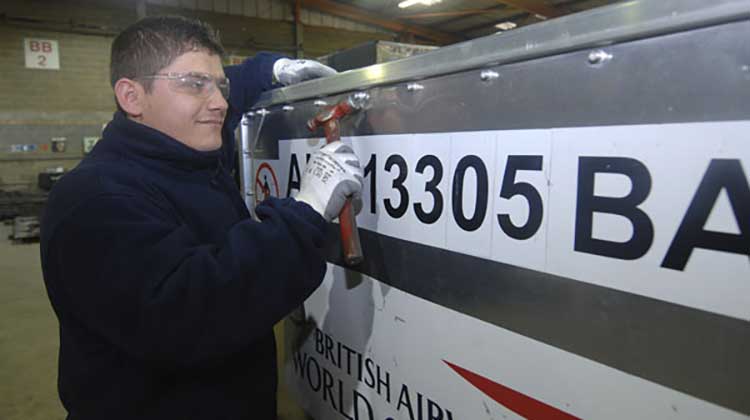
REST stopped in the UK in 2014 due to the lack of private security companies willing to participate in the scheme largely due to operating cost.
FREDS or (Free Running Explosive Dogs) filled the gap, but there is still a demand today for the REST of large consignments as an alternative to x-ray.
REST Products
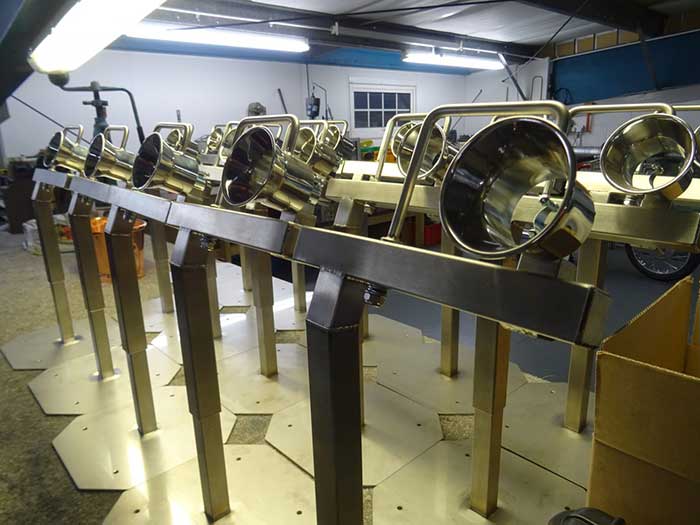
REST Analysis Stands

The REST filter is then taken to an analysis room away from the consignment and place in one of seven analysis stands. A search dog will interrogate the samples under controlled conditions. Provided the dog has not indicated on any of the samples, the agent will receive a statement from the REST operator claiming the shipment to be free from explosives.
The REST analysis stand is made in two sections. The bottom floor-mounted section is bolted to the floor while the top section can be removed and placed in any position within the line of stands.
The training programme takes place by removing the target stand and placing it in different positions within the line, while the dog and handler remain behind a screen to avoid any influences from the handler.
These stands can be used in the same manner for any application i.e detecting narcotics, biomedical, bedbugs etc. Conveniently modified for any sample.
REST Air Scent Regulator
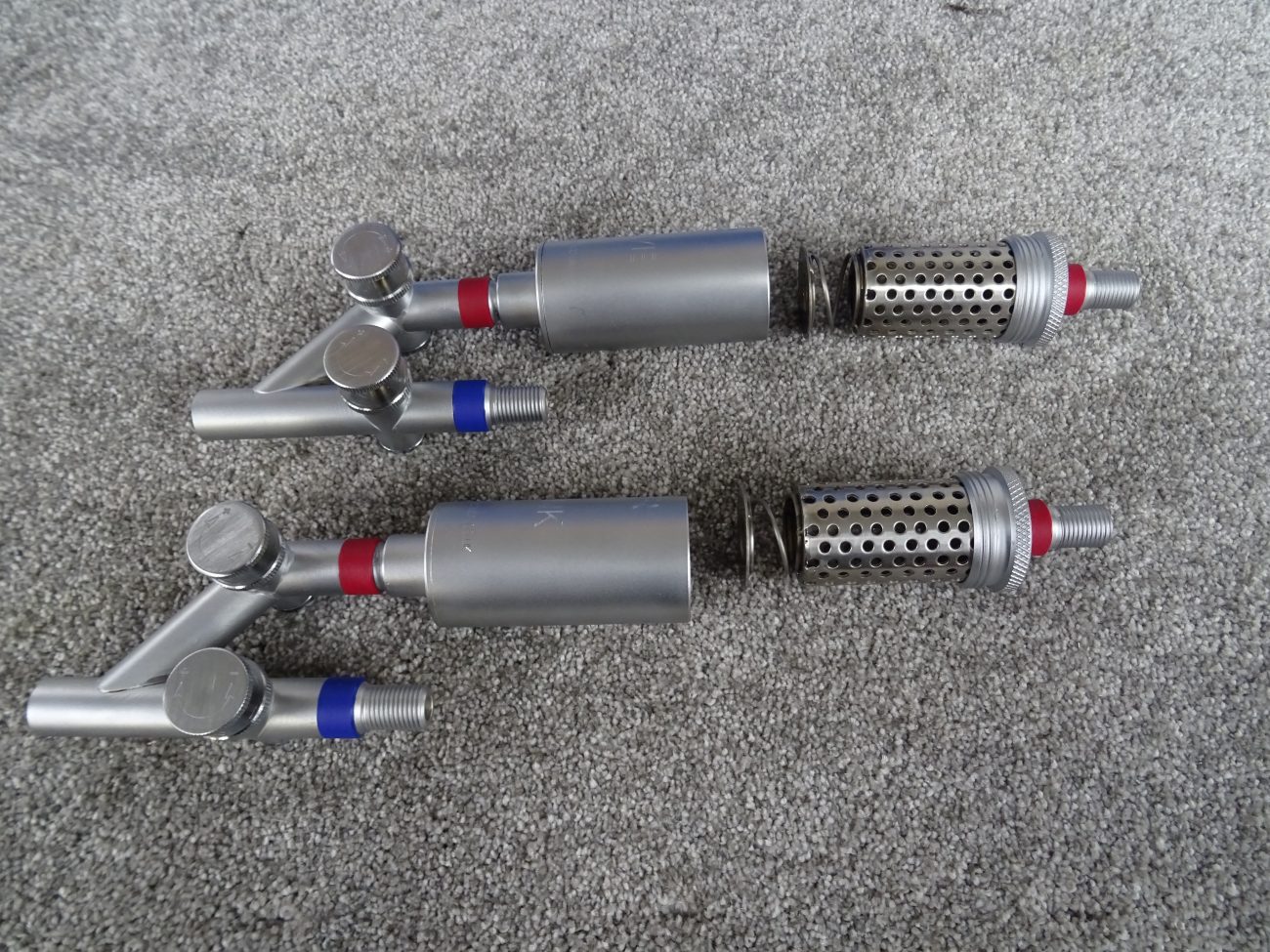
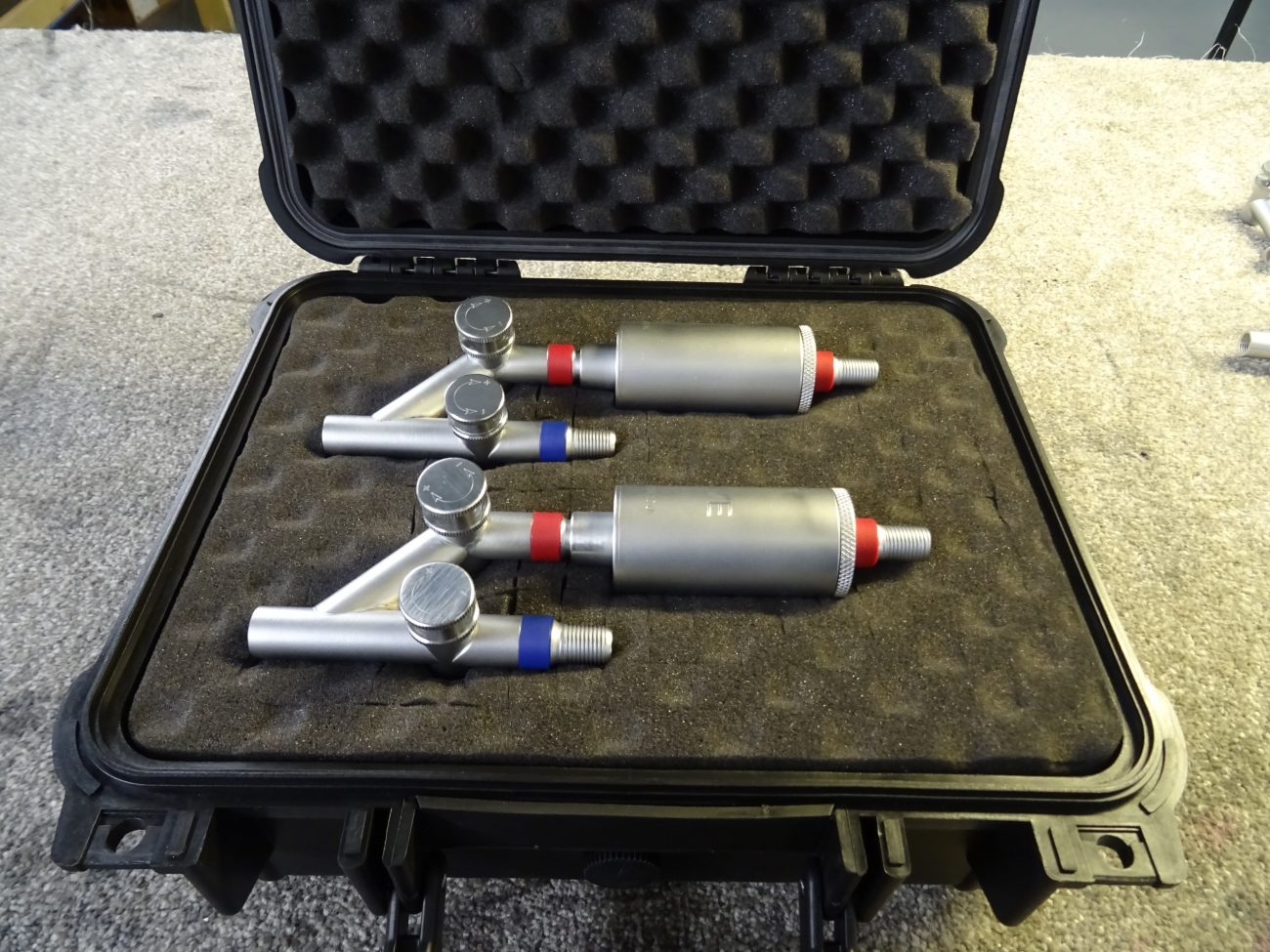
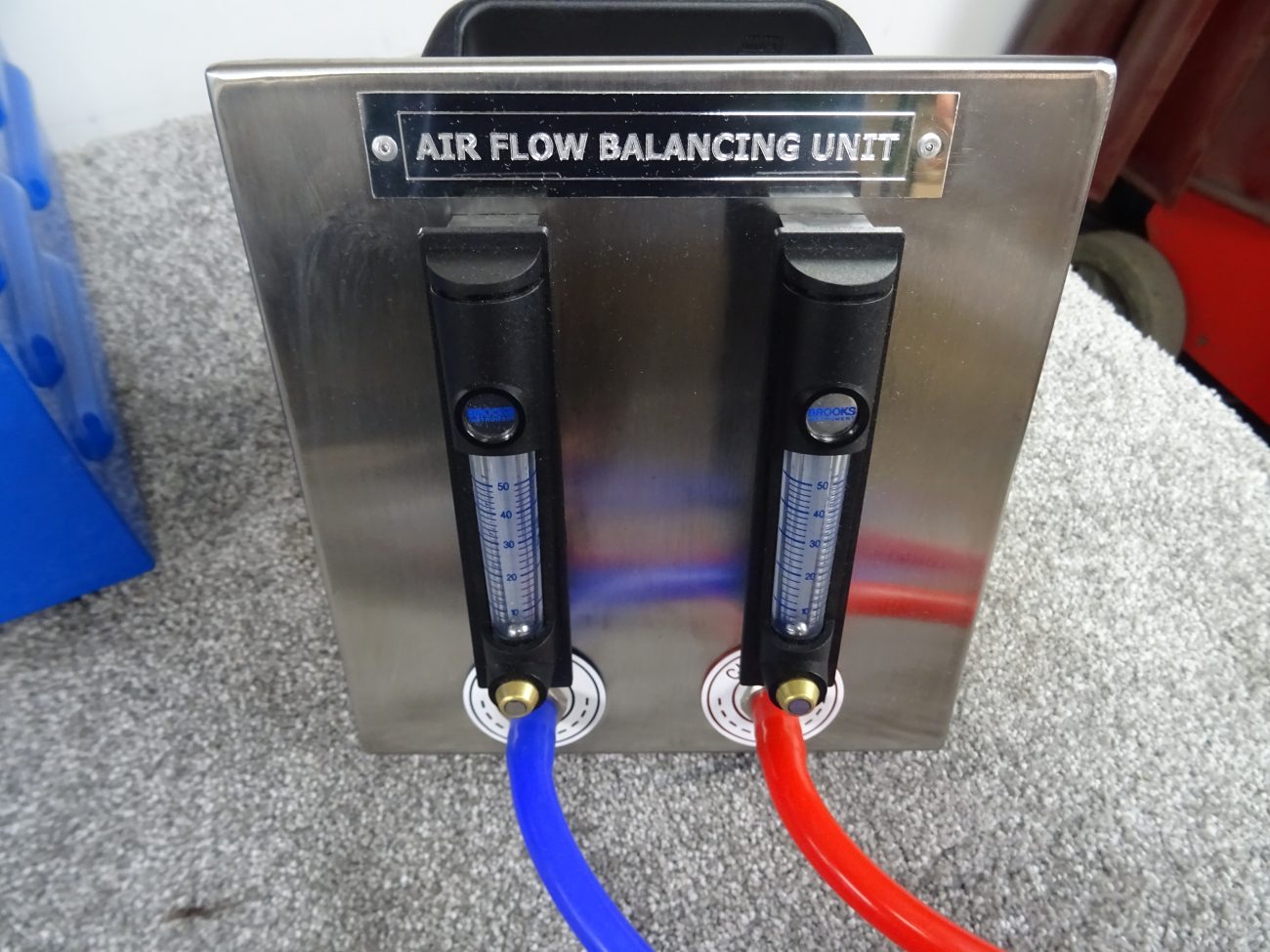
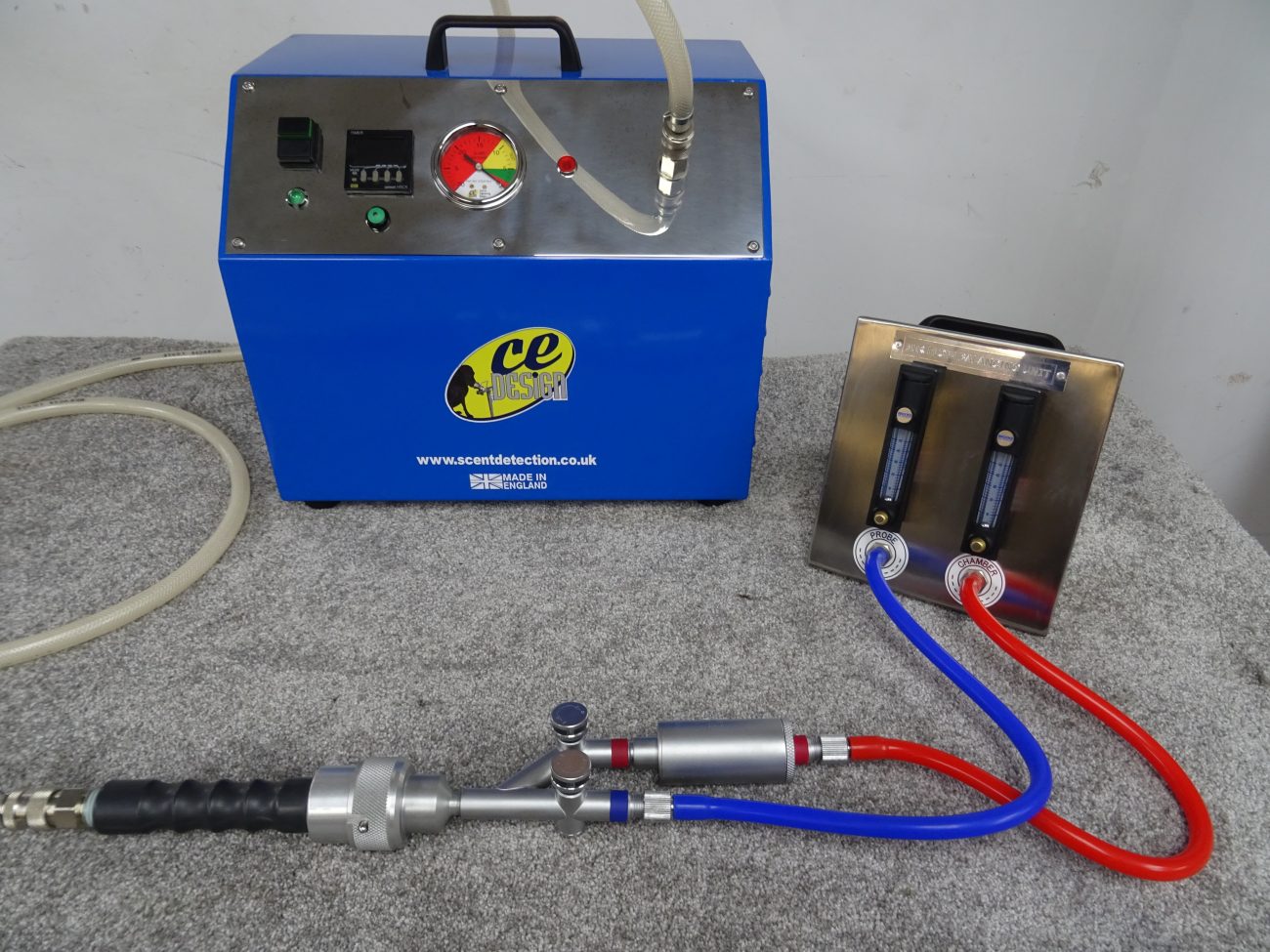
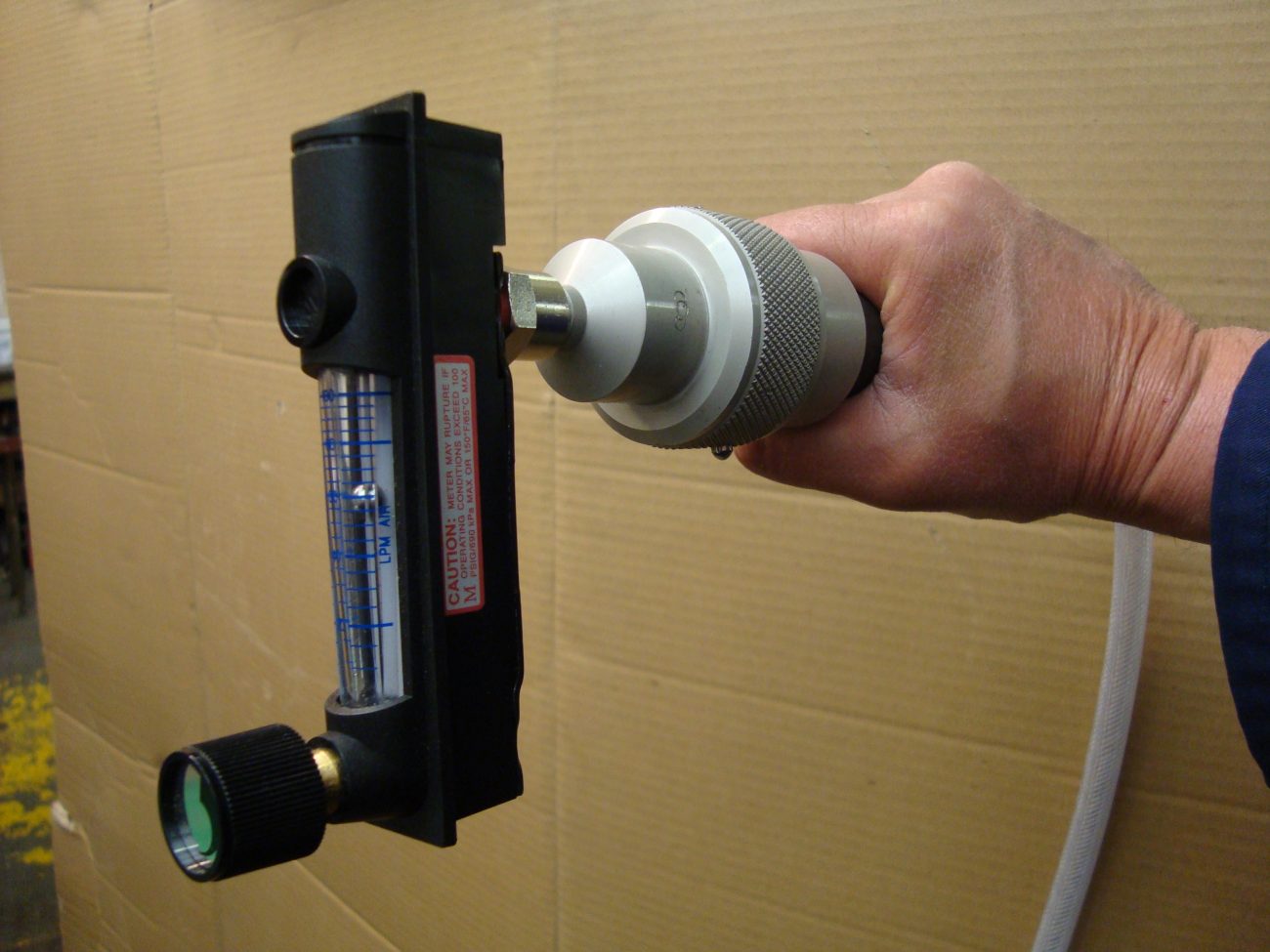
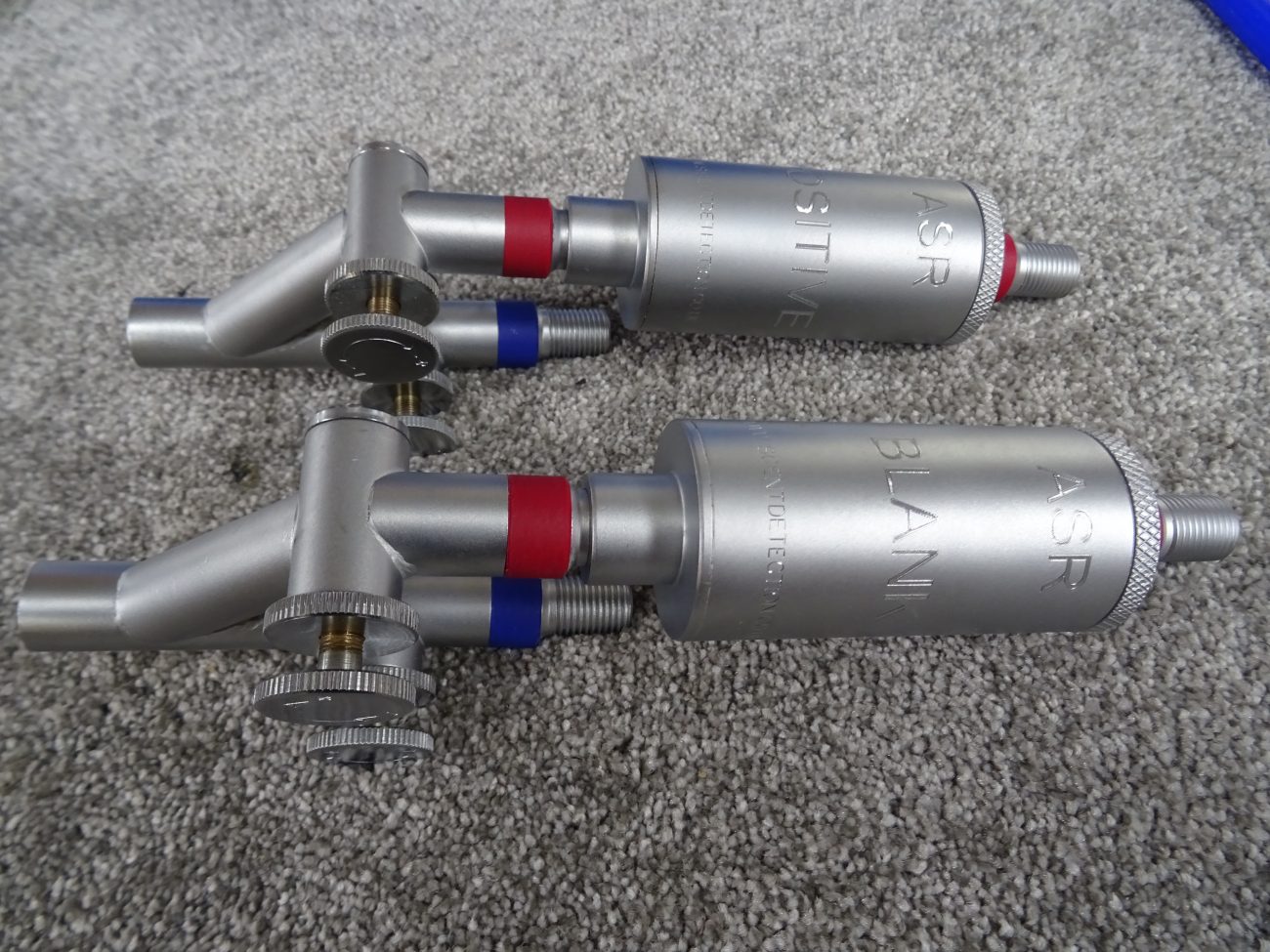
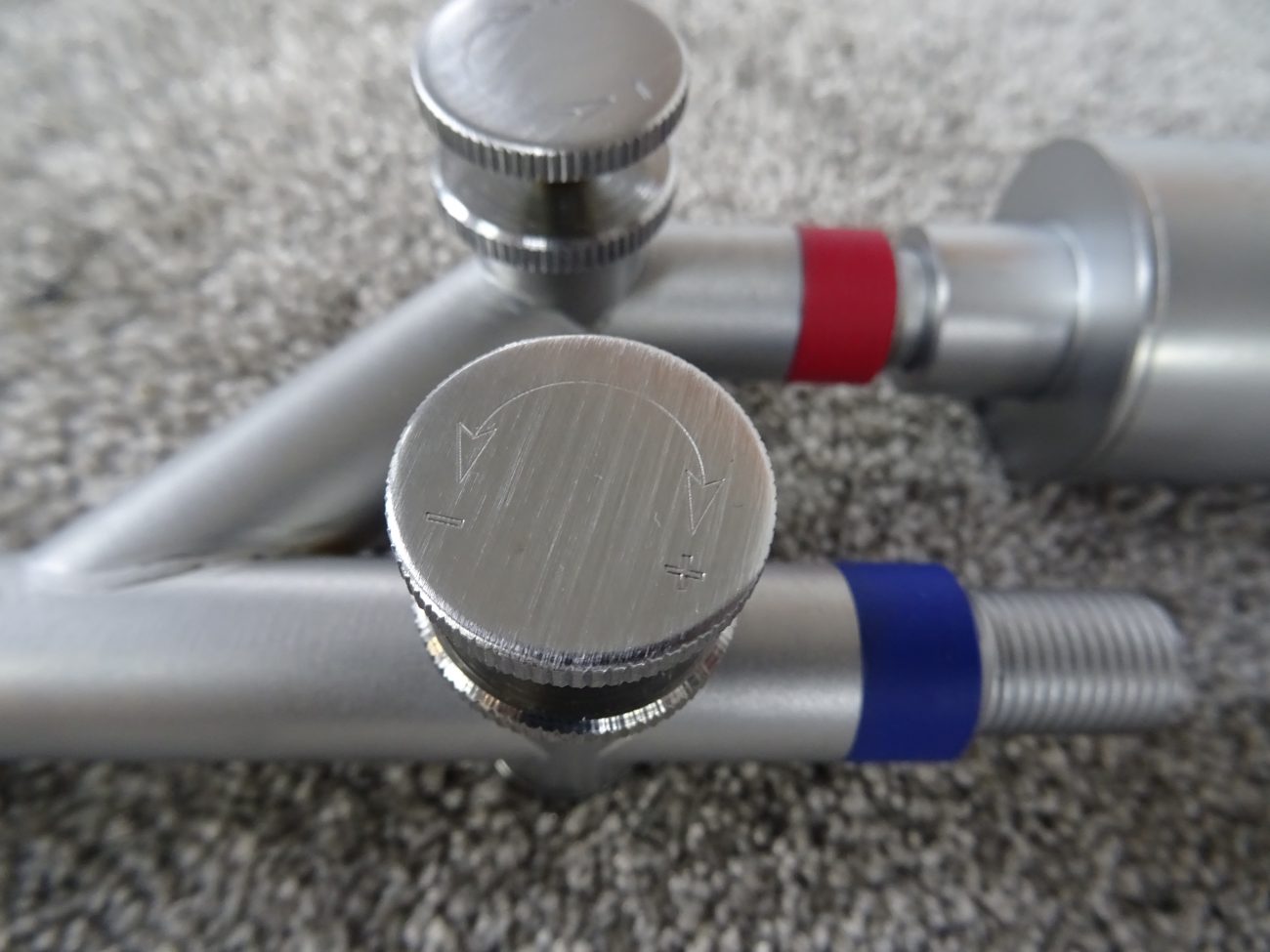
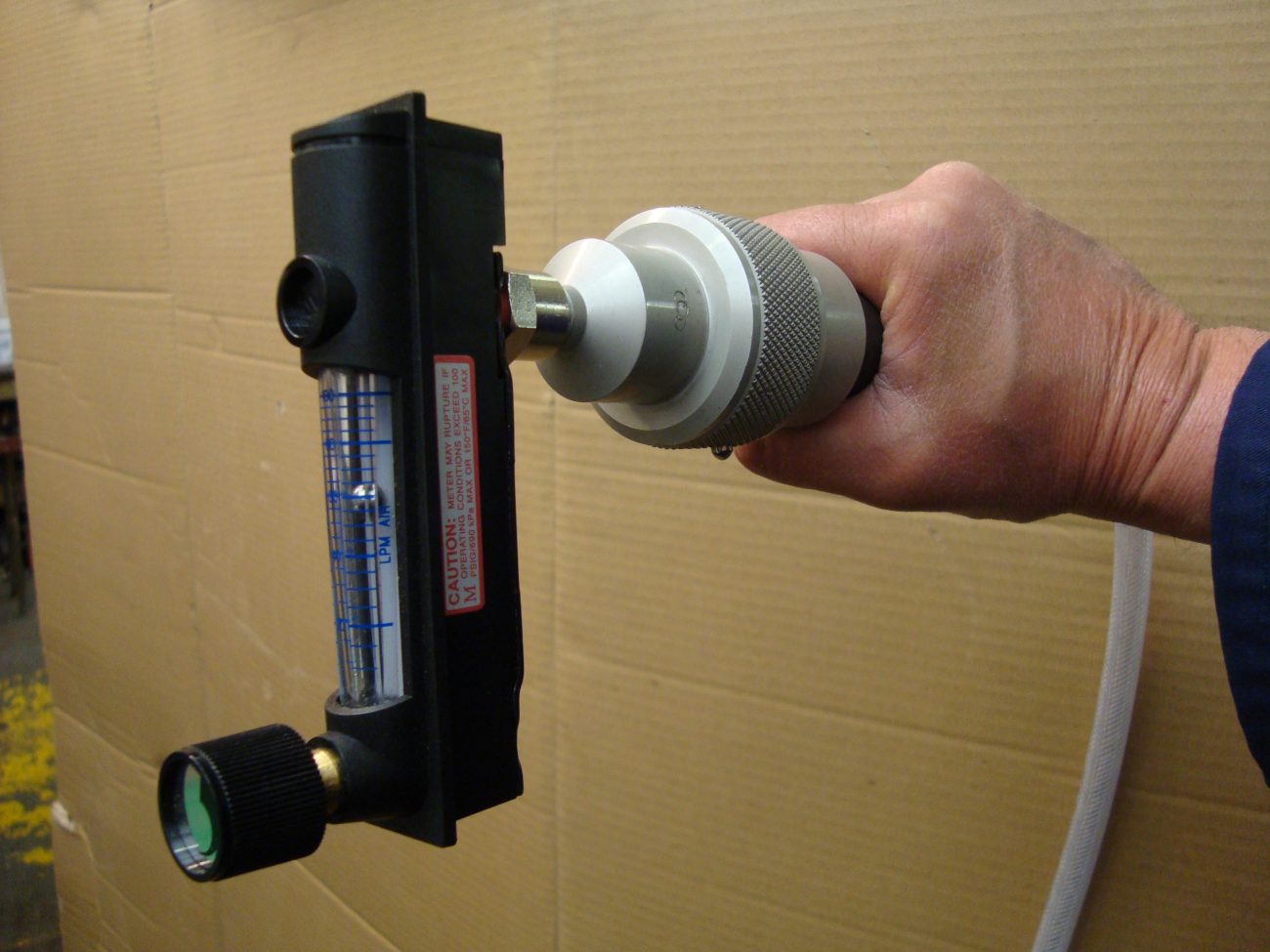
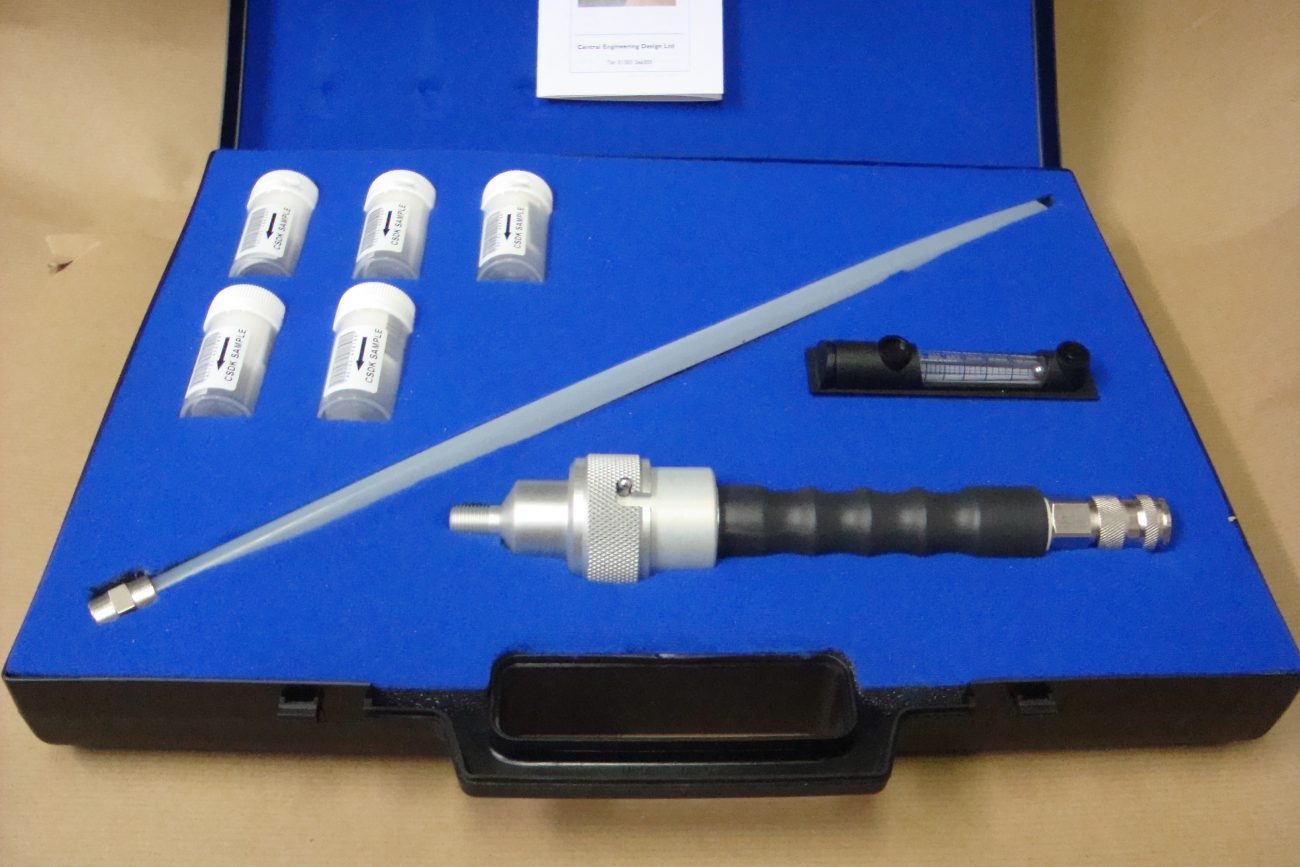
The REST ASR unit or (Air Scent Regulator) was developed to produce real-time samples for training without the need of sample tanks and laboratory pumps.
Samples produced in laboratory tanks have a background odour of the laboratory and not the cargo shed or warehouse. The ASR unit allows you to precisely control the flow of air past the odour and how much is placed on the filter.
The ASR screws straight onto the front of the filter holder much the same as the DFTs TASP unit, but allows you to adjust the airflow to balance resistance in accordance with the strength of the odour or resistance in the material texture.
In terms of equipment cost, it is cheaper to use samples tanks, but with the ASR you will produce accurate real-time samples.
REST Filters
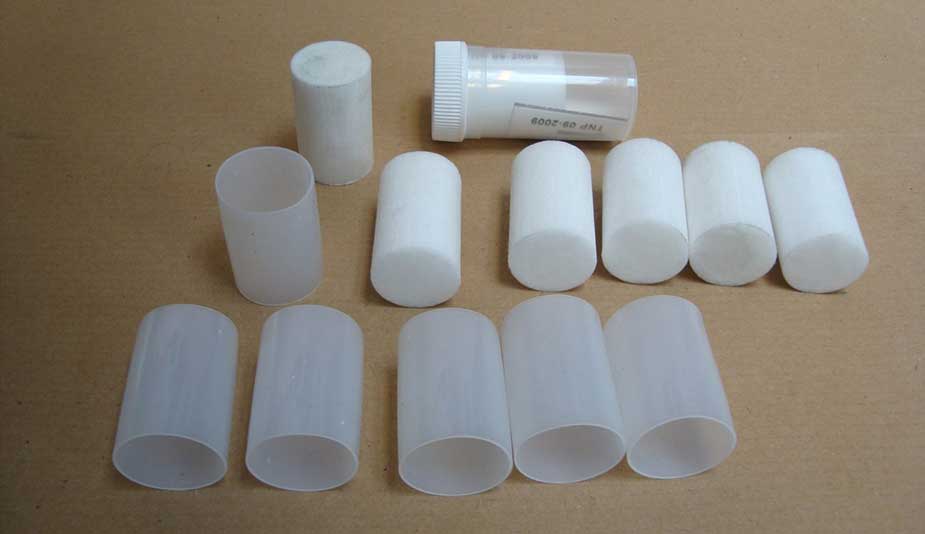
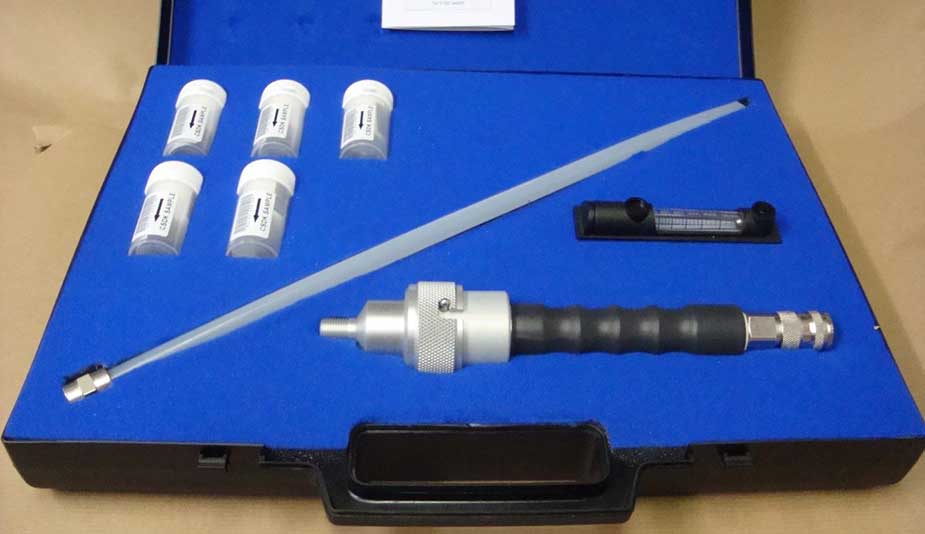
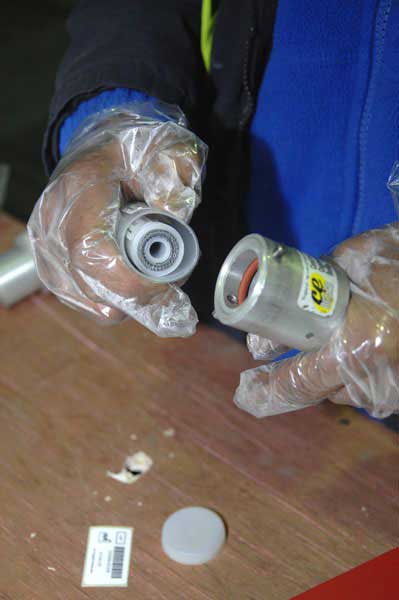
REST filter kits are made in the UK and consist of a filter assembly with matching labels in an airtight security container.
These filters are designed to trap odours at an optimum flow rate of 60lts a minute with a static pressure of between 2″ – 5″ Hg.
They are made under controlled conditions, to ensure the quality and consistency of the filters.
REST Filter Arm


The REST filter arm was developed so filters could be used on a NATO and portable carousel, as an alternative to analysis stands.
The arm is exactly the same as a REST analysis stand and the spacing between each arm could be arranged in the same pitch.
This system provides flexibility and versatility allowing trainers to have one carousel that could be used for gaseous, liquid or solid substances.
The changeover is extremely quick needing only one person saving time and money.
REST Filter Holder
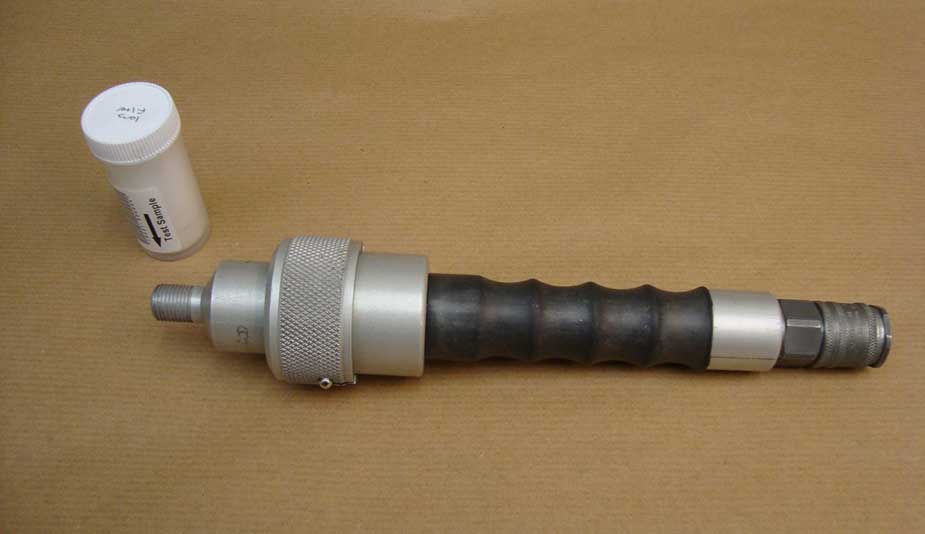
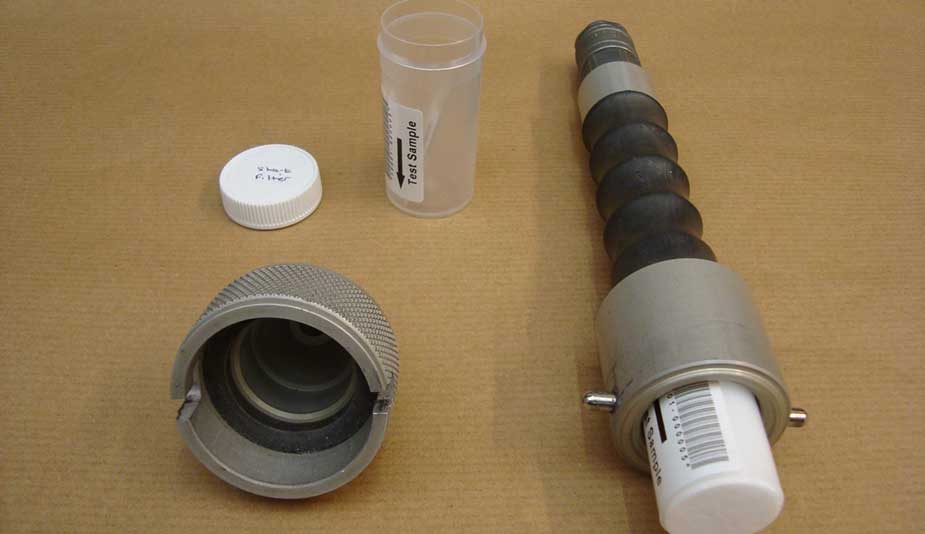
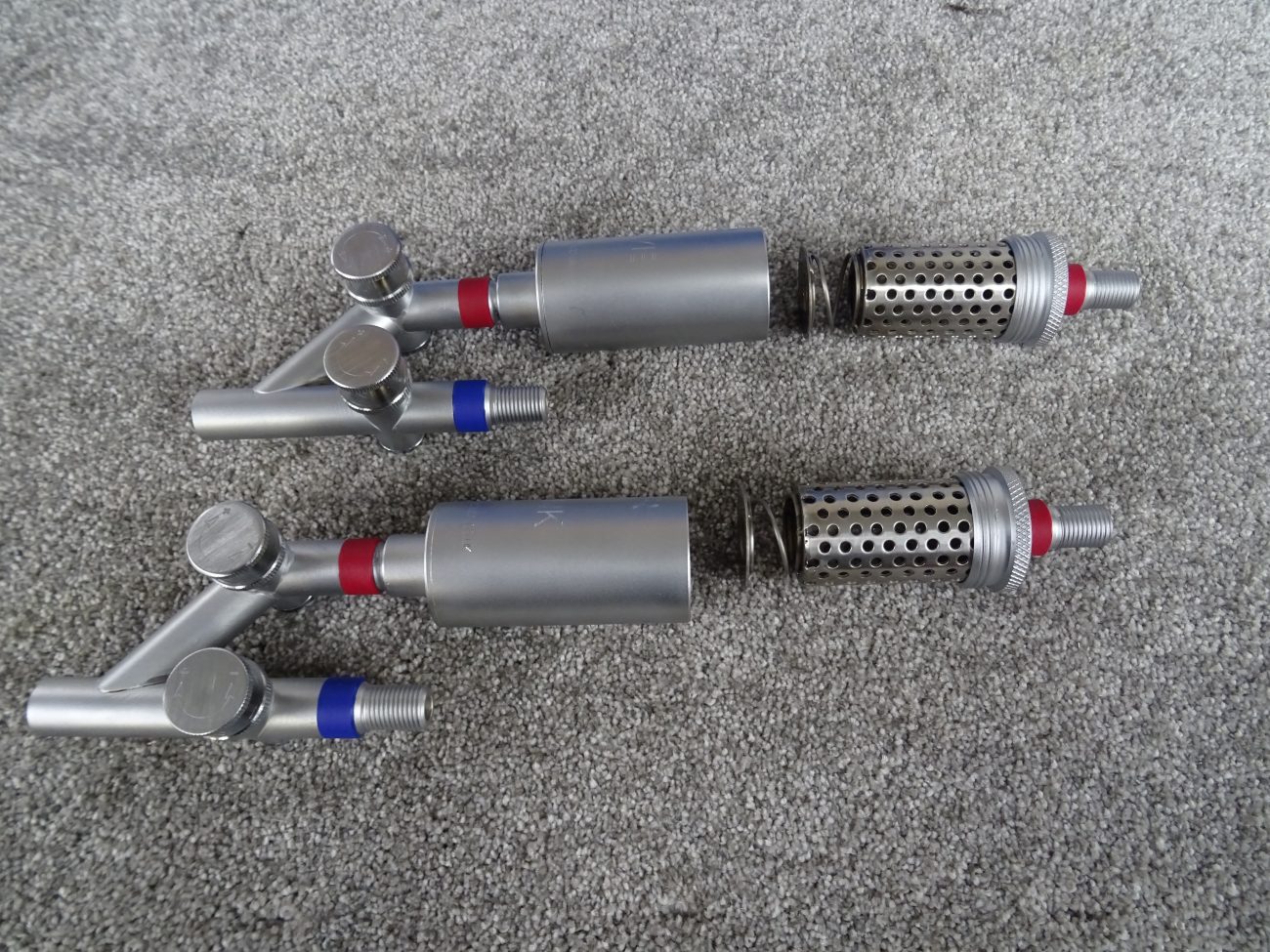
The filter holder is billet machined from aircraft Aluminium and anodised. It is designed to accept the REST filter and precisely holds it in a vacuum while air is drawn through the filter at the correct flow rate.
The filter holder is designed with a quick-release bayonet fitter, so filters can be added and removed quickly without any cross-contamination.
These filter holders can be used with any of our pumps, sample tanks or ASR units for making our own samples.
Filters are placed in an analysis stand under controlled conditions away from consignment and interrogated by canine olfaction. If the shipments are cleared then the Agent will receive a statement from the REST operator claiming the shipment to be free from explosives.
REST Laboratory Equipment
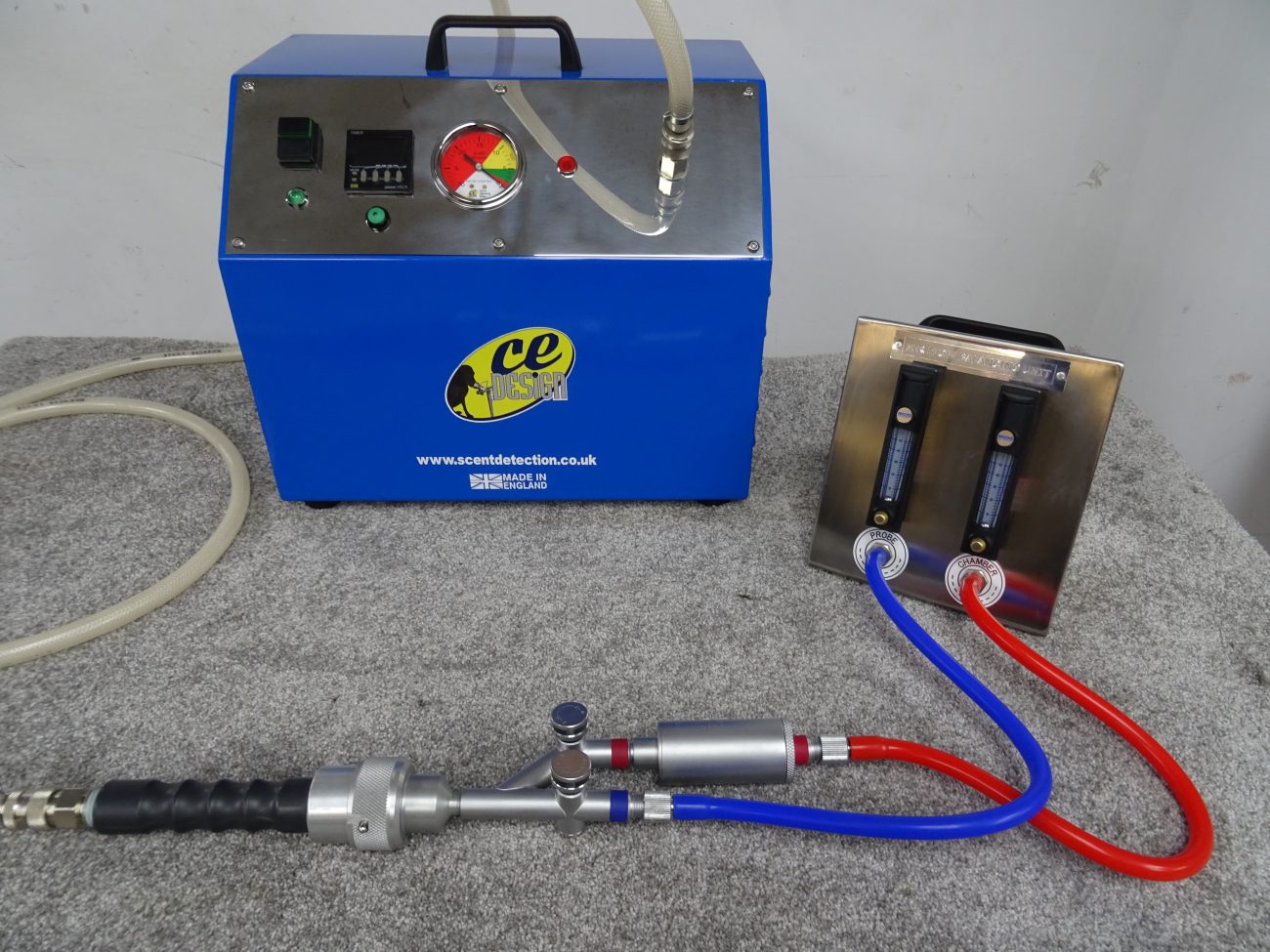
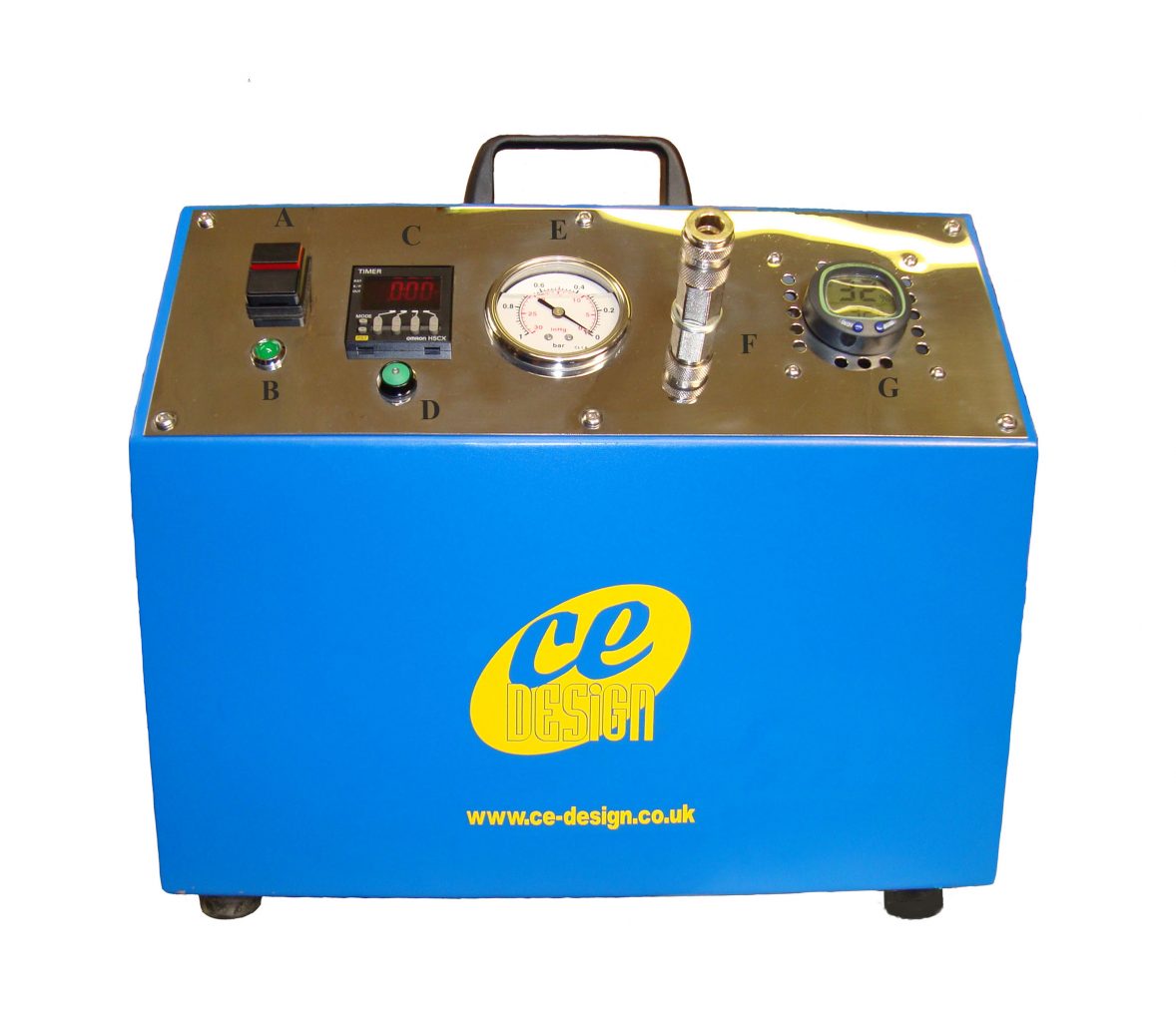
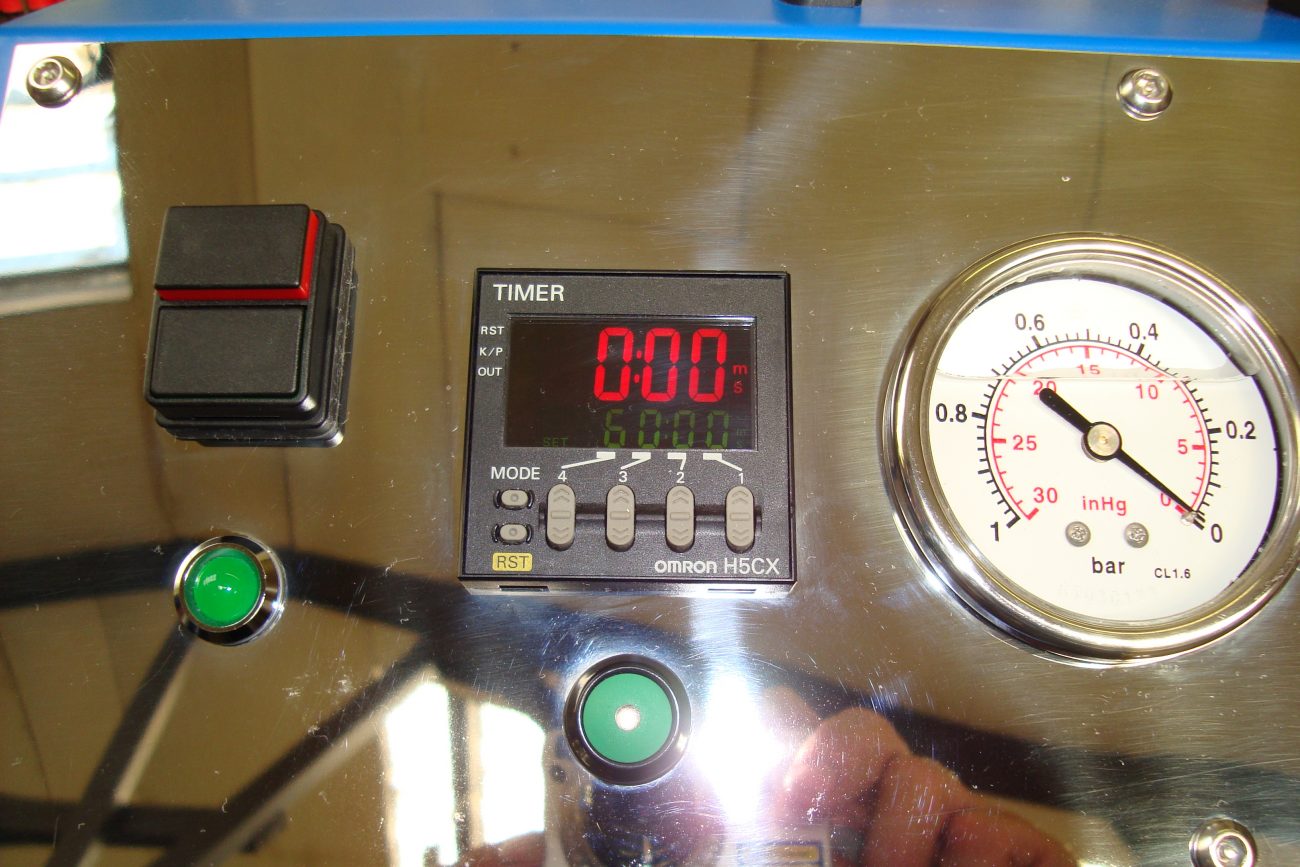
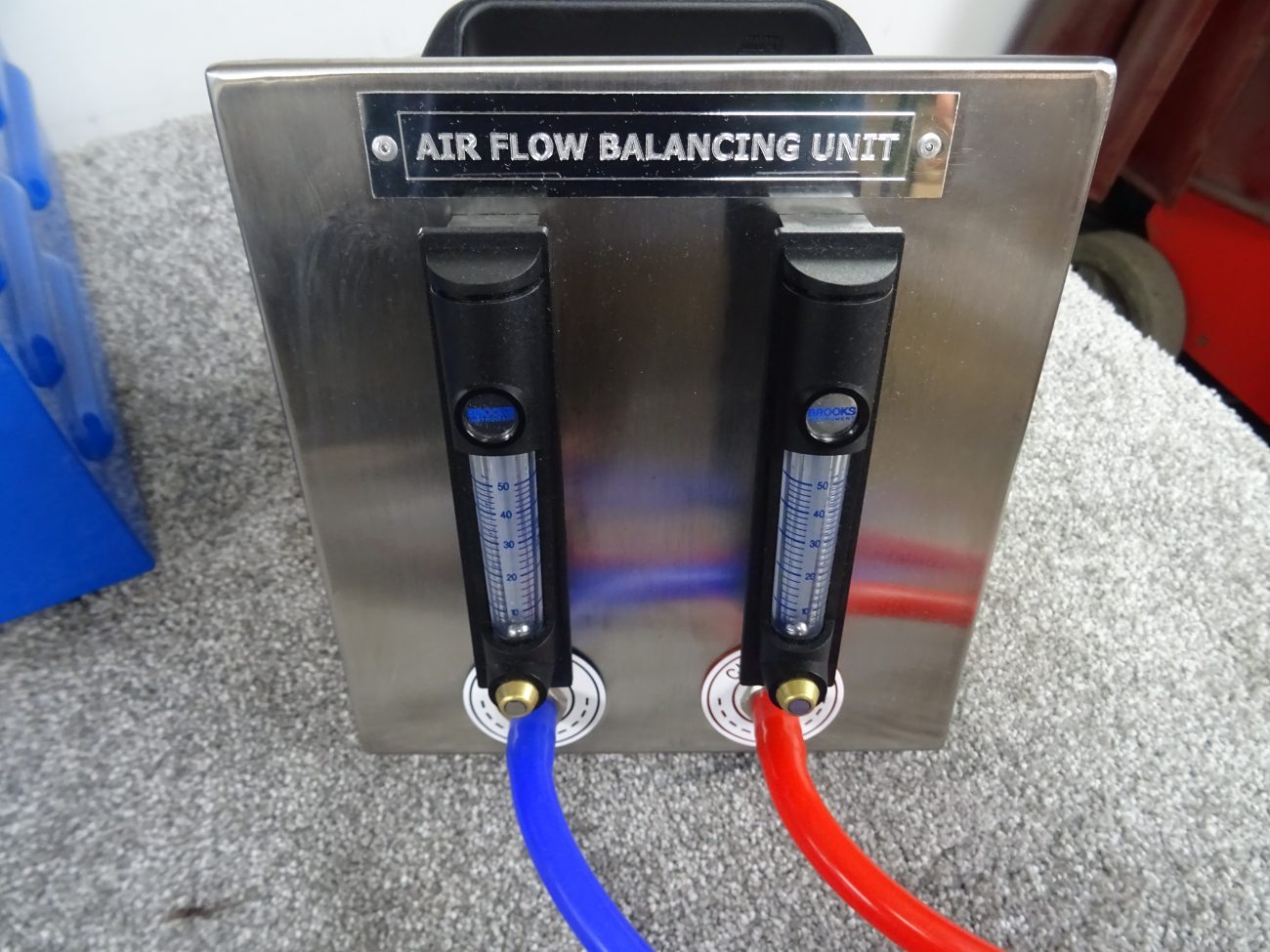
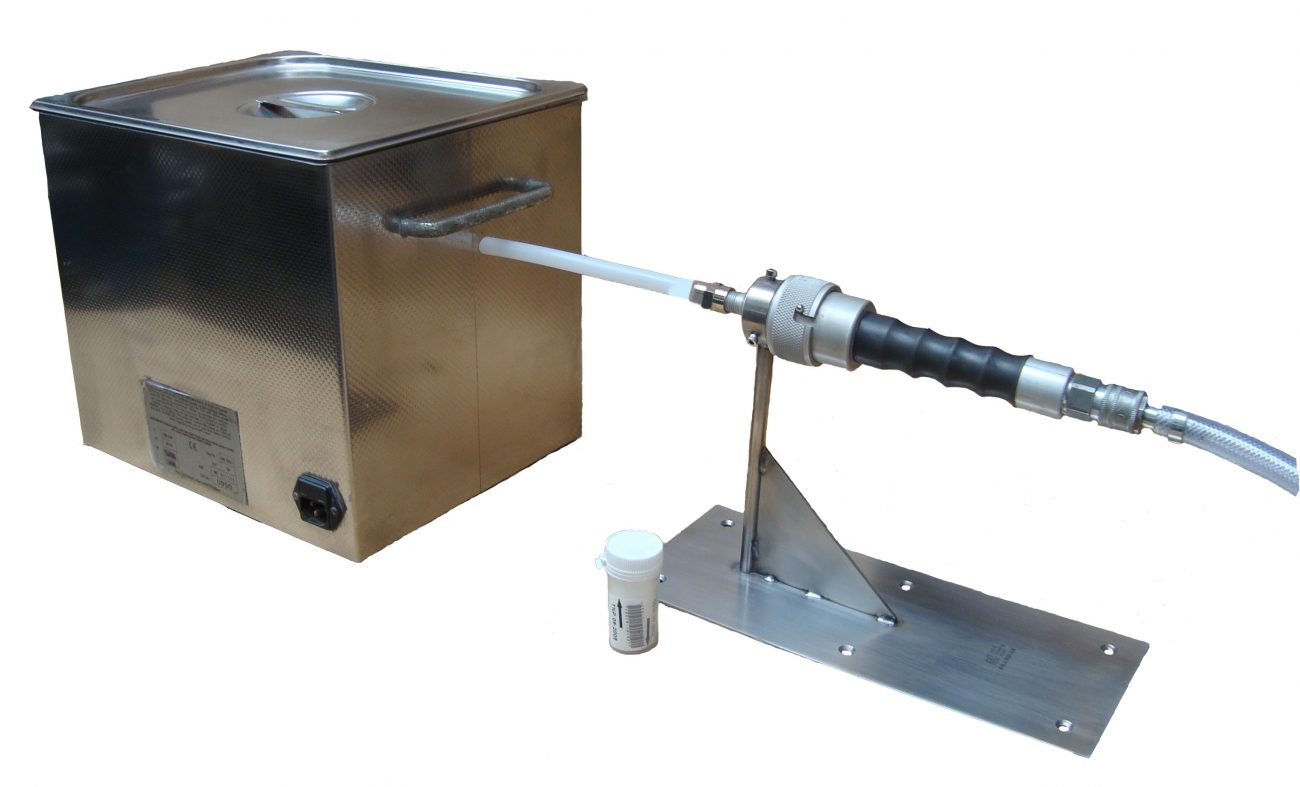
Samples for training and accreditation were produced in a laboratory by placing the target odour inside a sample tank and drawing a controlled air sample through a filter.
The air was drawn downstream by means of the laboratory pump. This pump was based on our patented RAS 1 K9 cargo pump covered on our Patent No; GB2455084.
To avoid cross-contamination each training odour were kept with each individual tank and each individual filter holder. This procedure included a control sample as a blank.
With this system, you only need one vacuum pump downstream of the filter and sample tank. There is no cross-contamination with the pump and sample.
Individual companies could set up their own mini-laboratory to produce their own training samples and control accreditation samples came directly from the DSTL.
REST Remote Scent Box
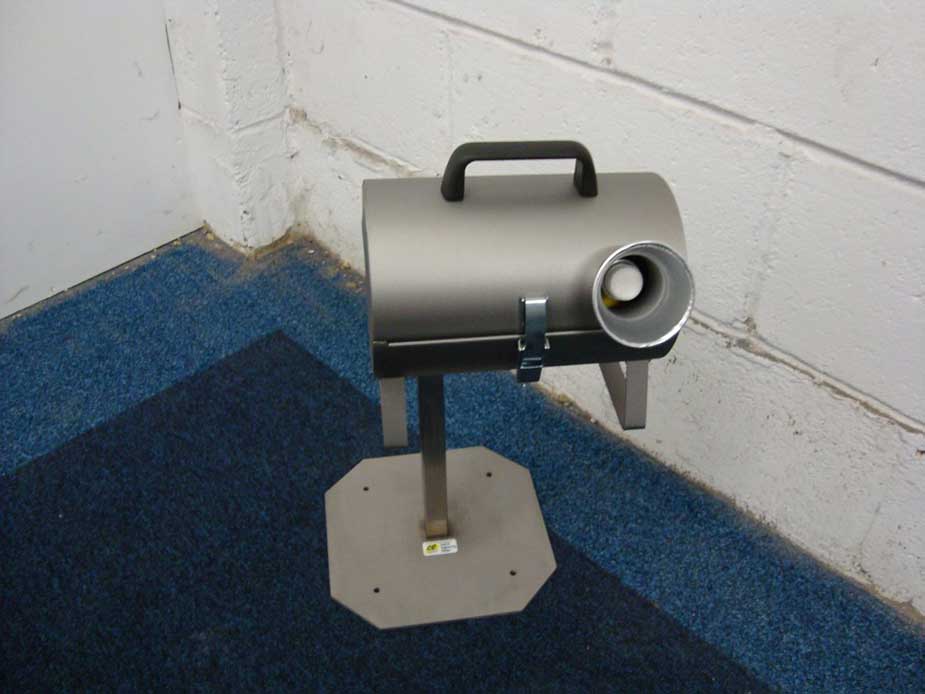
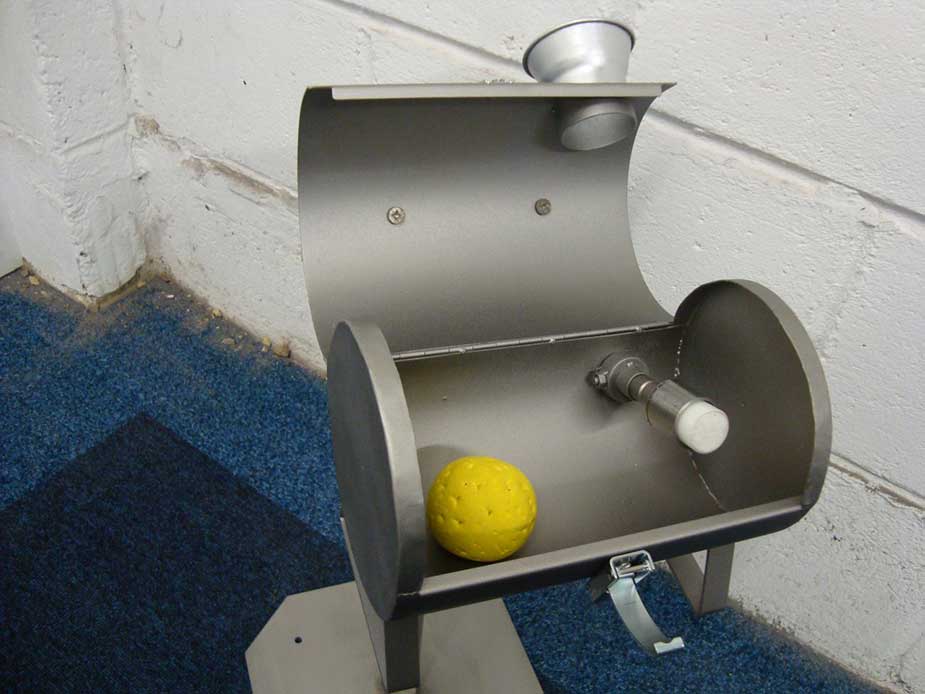
REST scent boxes are used for imprint training and to fit directly onto the base of the analysis stand and can also be used as free standing boxes.
These boxes can be moved to different positions along the line of stands, working in the same fashion as the analysis stands.
Made completely from stainless steel and incorporates a calibrated mechanism which retracts the filter from the cone entrance. This alters the focal point from the dog’s nose making it progressively more difficult.
These boxes can be supplied in two types plain or remote-controlled versions, both come with calibrated mechanisms to alter filter position.
The remote box contains no servo motors and the Dog hears no clicks or has any forewarning that the device is about to drop the ball. Working on a 12v battery system the remote control has a range of up to 30 meters.
These boxes have a dual function and can be used as independent free standing boxes or used on the REST analysis stands.
REST Sample Tanks
Training samples were produced in a laboratory by placing the target odour inside a tank and drawing a controlled air sample through a filter via a laboratory pump.
The air was drawn downstream through the filter by means of the laboratory pump. This pump was based on the same RAS 1 K9 cargo pump covered on our Patent No; GB2455084.
The same odours were kept with each individual tank and filter holder and never change to avoid any cross-contamination during the process. This includes a blank sample.
The beauty of this system was you could have as many odours and tanks as required, but you only need one laboratory pump.
Individual companies could set up their own mini-laboratory to produce their own training samples and control accreditation samples were produced from government-approved sources.
The system was eventually superseded in the UK by DFT (Department For Transport) with a device called a TASP which screwed onto the filter holder containing a preset odour. This allowed air drawn from the cargo shed to be mixed with the preset odour inside the TASP.
The advantage of this system was the background odour was more realistic and in keeping with the working environment.
We produced our own system based on the same concept called an (ASR) or air scent regulator. But in terms of accreditation and licensing for REST approval in the UK. The TASP is the only method accepted by the DFT. However, over the system is fully adjustable lowering the smallest proportions of odour to background ratios.
REST Probes & Accessories
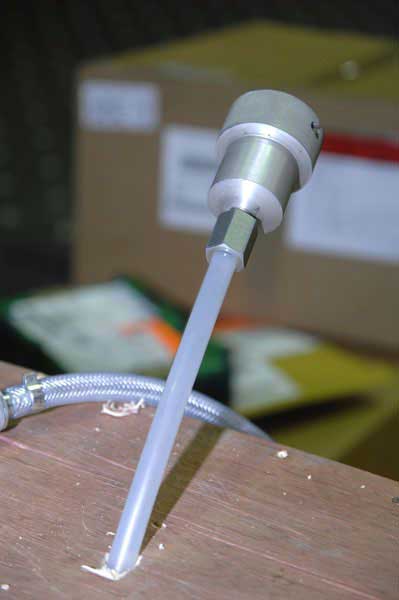
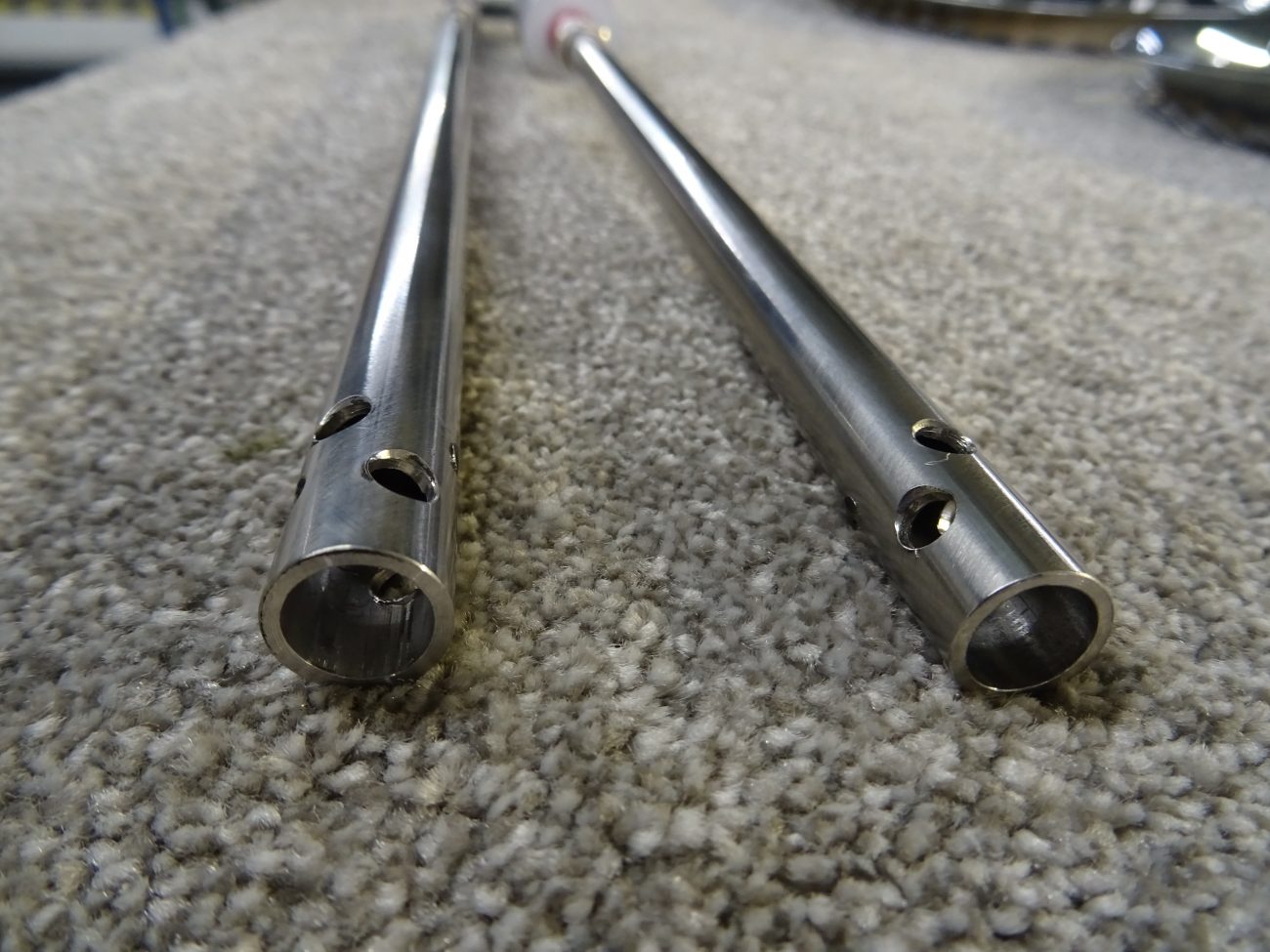
Plastic nylon probes and stainless steel ridged probes screw directly onto the filter holder for penetrating directly into the cargo.
Air is drawn through the probes and into the filter holder. Each probe can be reused but needs to be decontaminated before reuse.
Probes can be cleaned in Milton or RBS 35 sterilizing fluid. We produce a sterilizing tray and a cleaning rod.
REST Vacuum Pump 240v
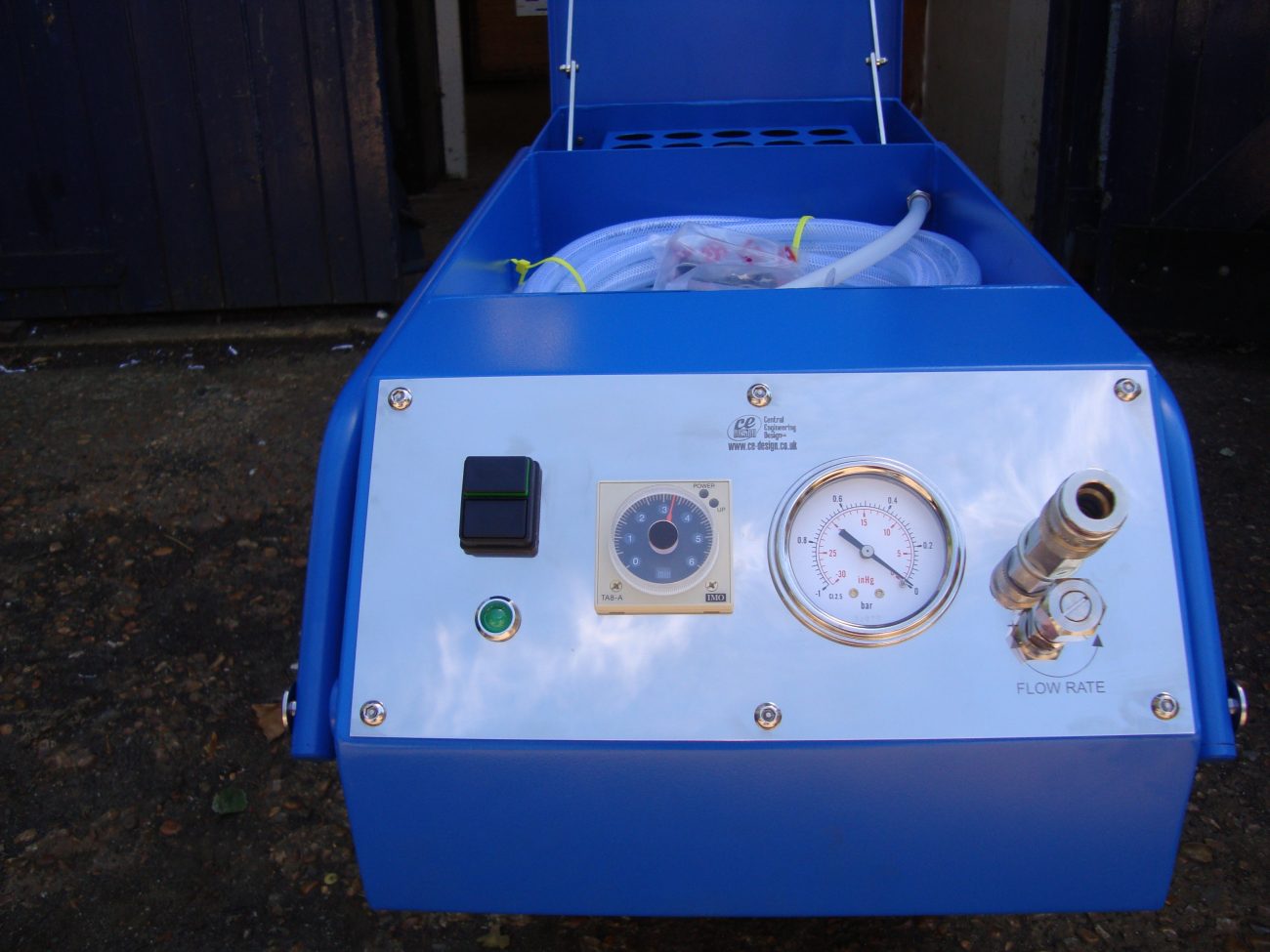
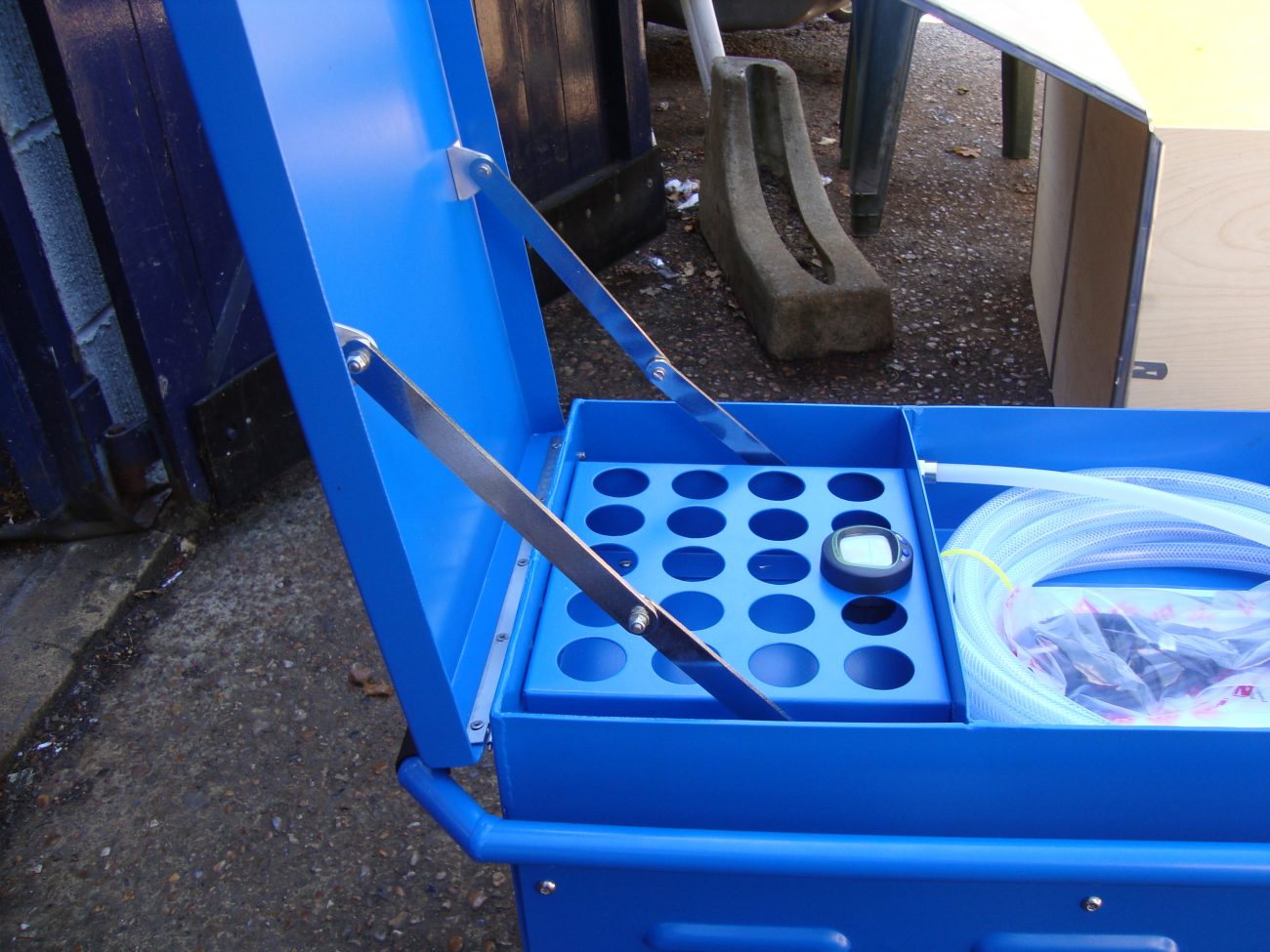
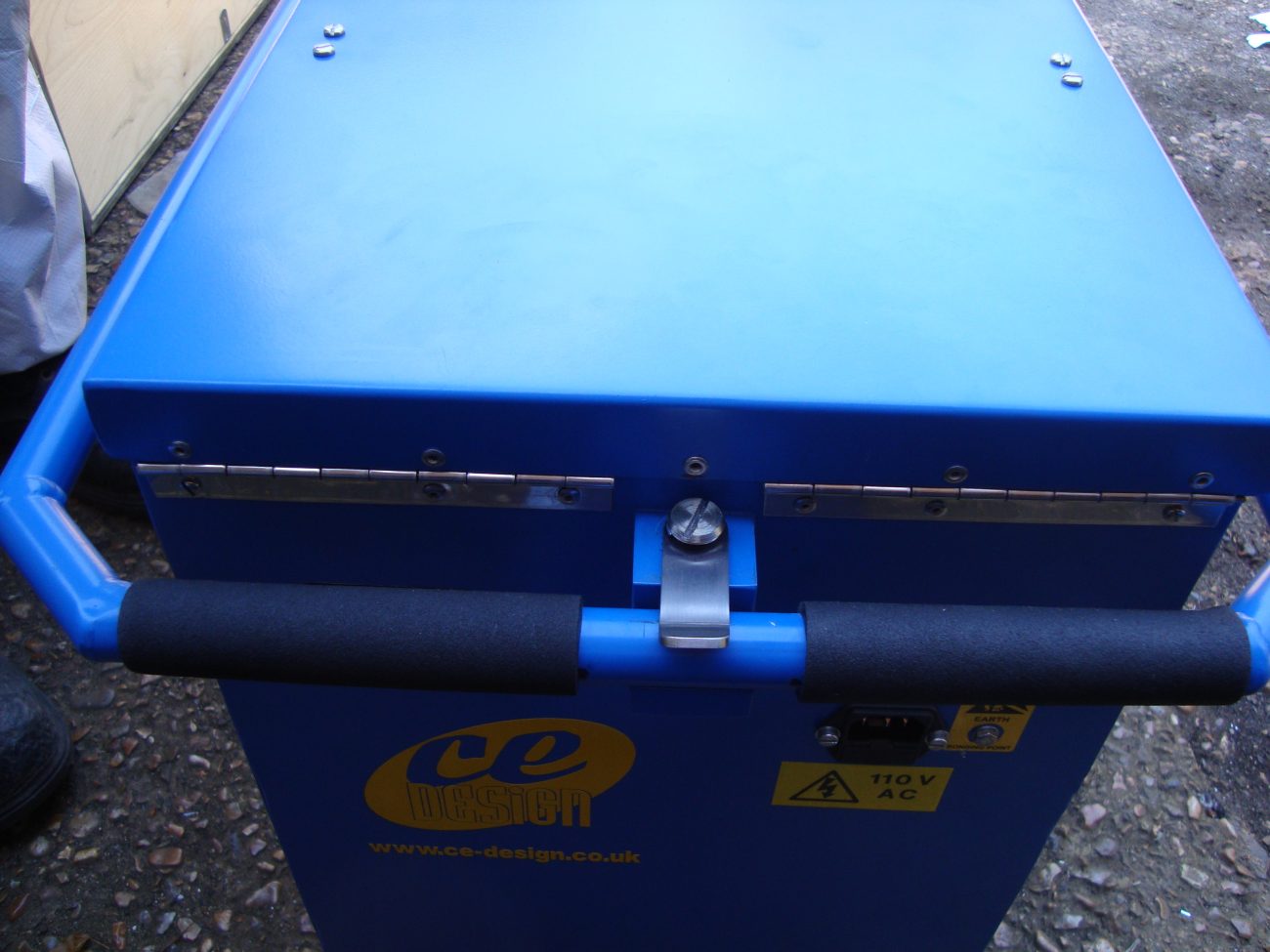
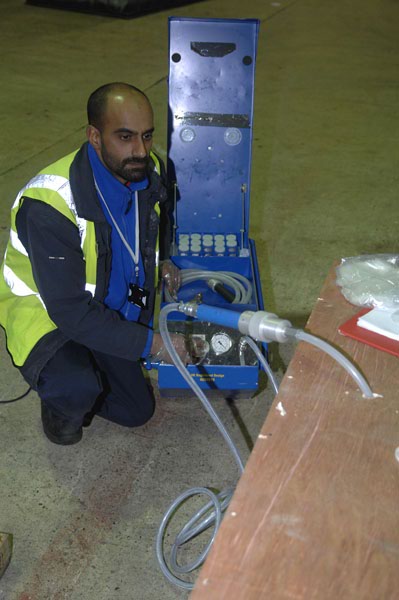
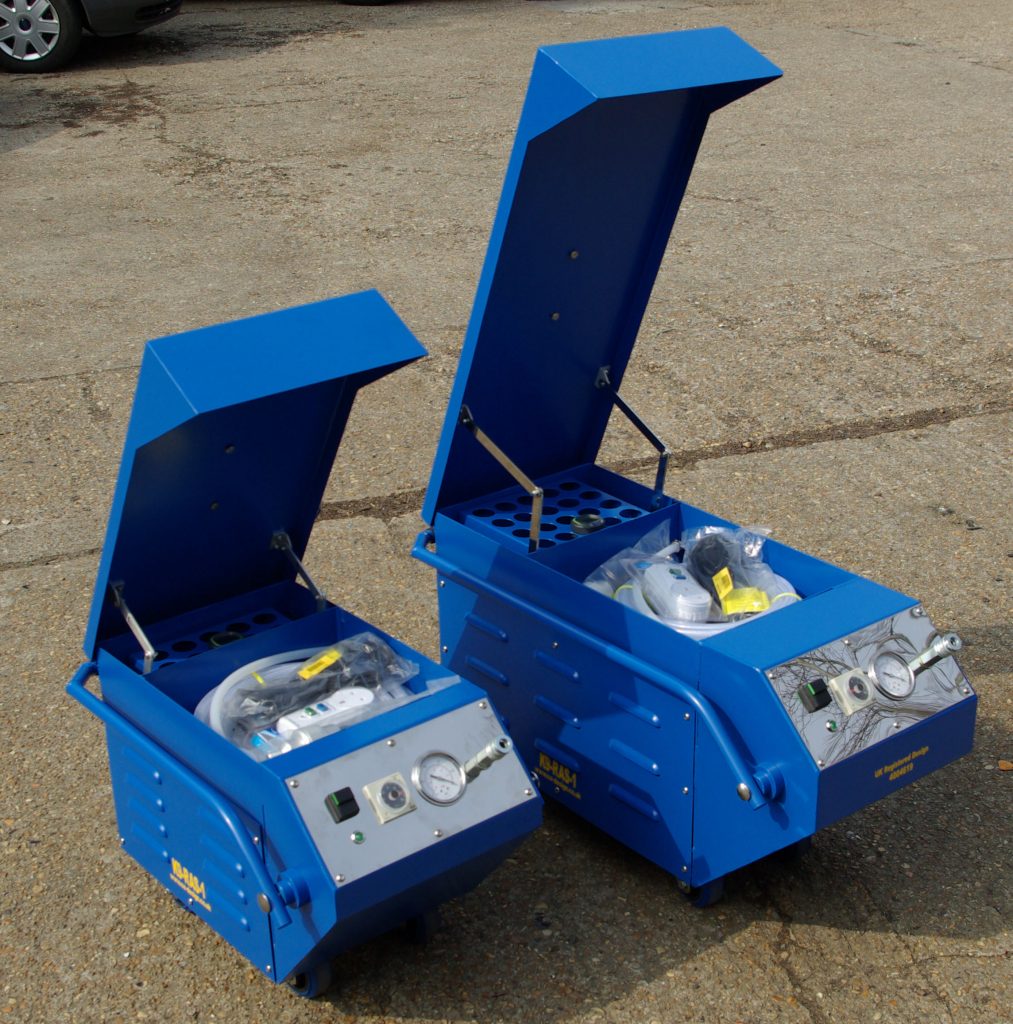
his is our standard 240v K9 RAS 1 vacuum pump which draws precisely 60 litres of air per minute through the filter, which is the exact amount required to trap scents onto the filter. We hold a patent for this pump Patent No; GB2455084 retaining all intellectual property.
The oil-less dry-running rotary van pump incorporated into a lightweight portable Aluminium chassis just weighting <20 kilos. This incorporates a timer and static pressure gauge to monitor flow and sample time.
This system is not limited to the detection of explosives and could be used for many other applications such as remote bio-detection, bed bugs, narcotics and much more.
We have also developed a 12v battery version of this pump. Allowing remote scent detection to be taken into locations where mains power is unsalable.
REST Vacuum Pump 12v
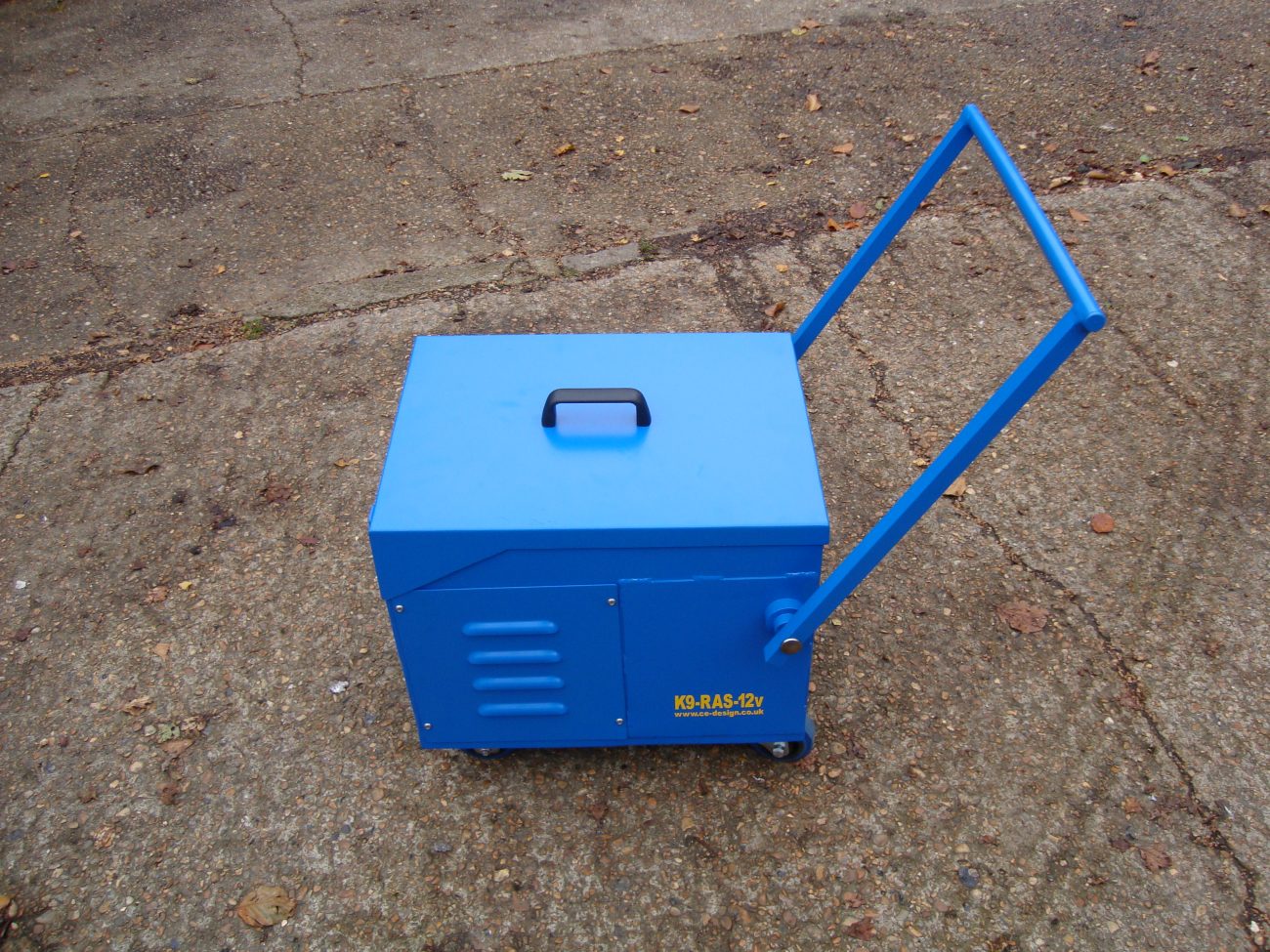
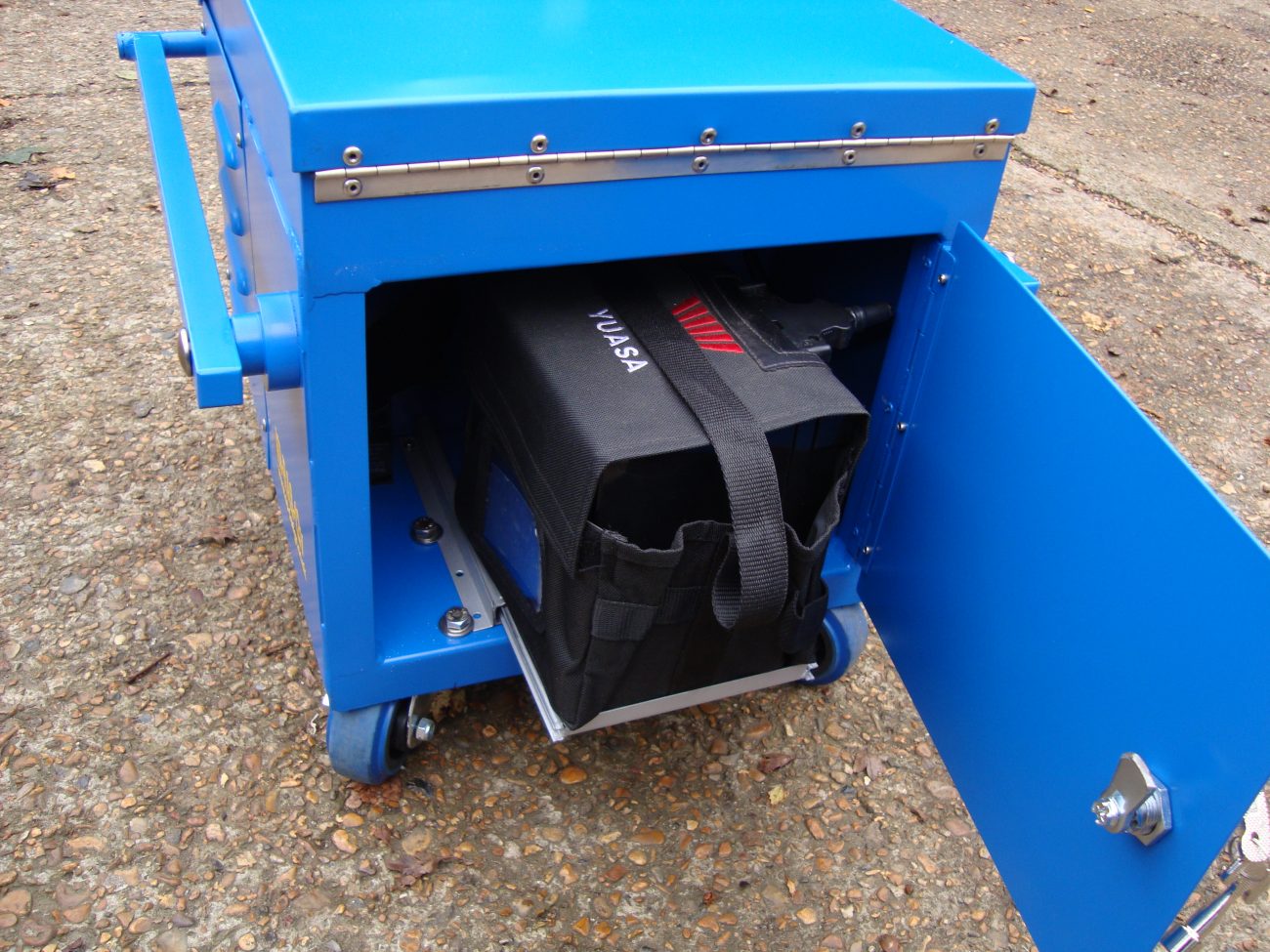
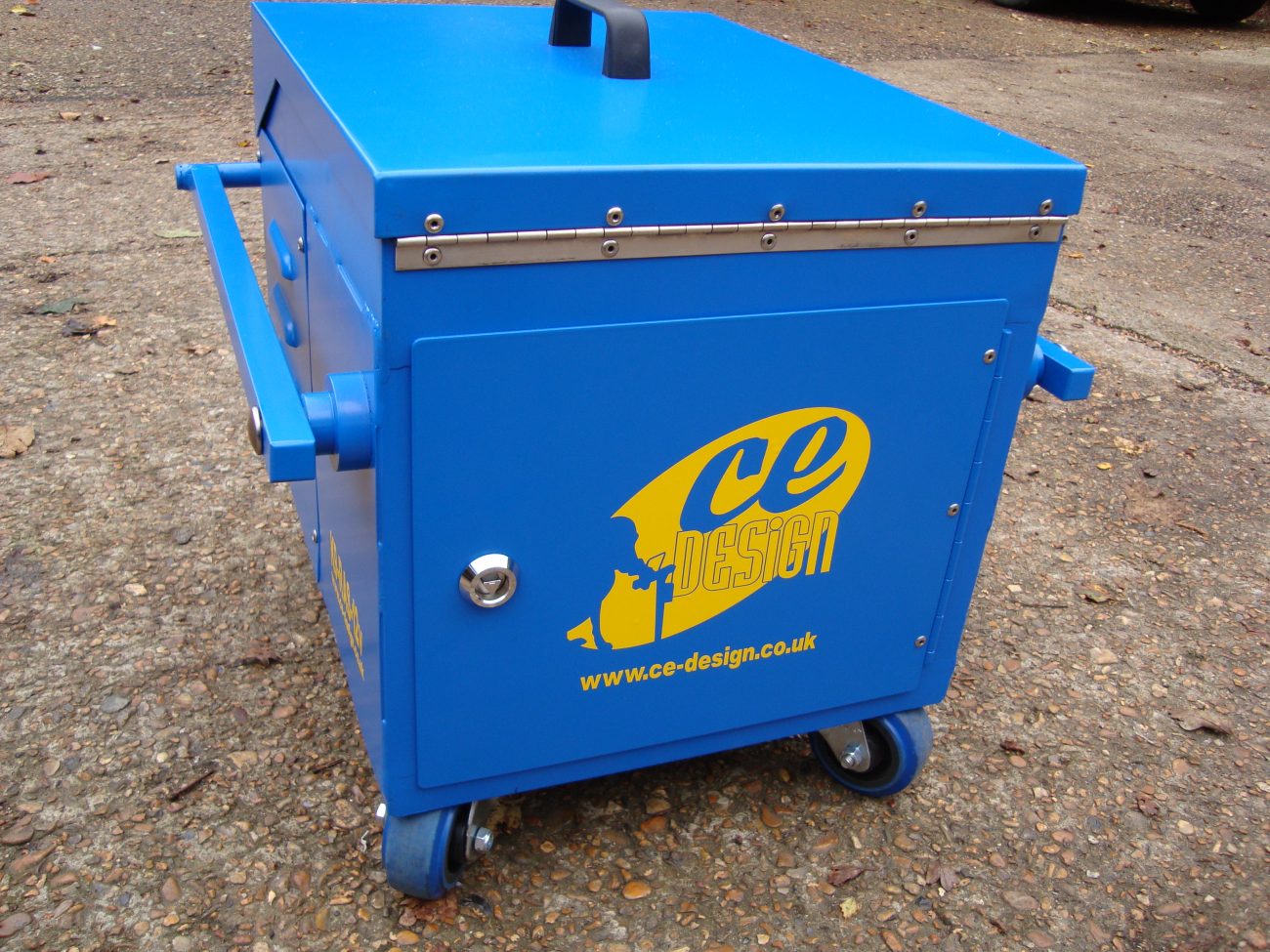
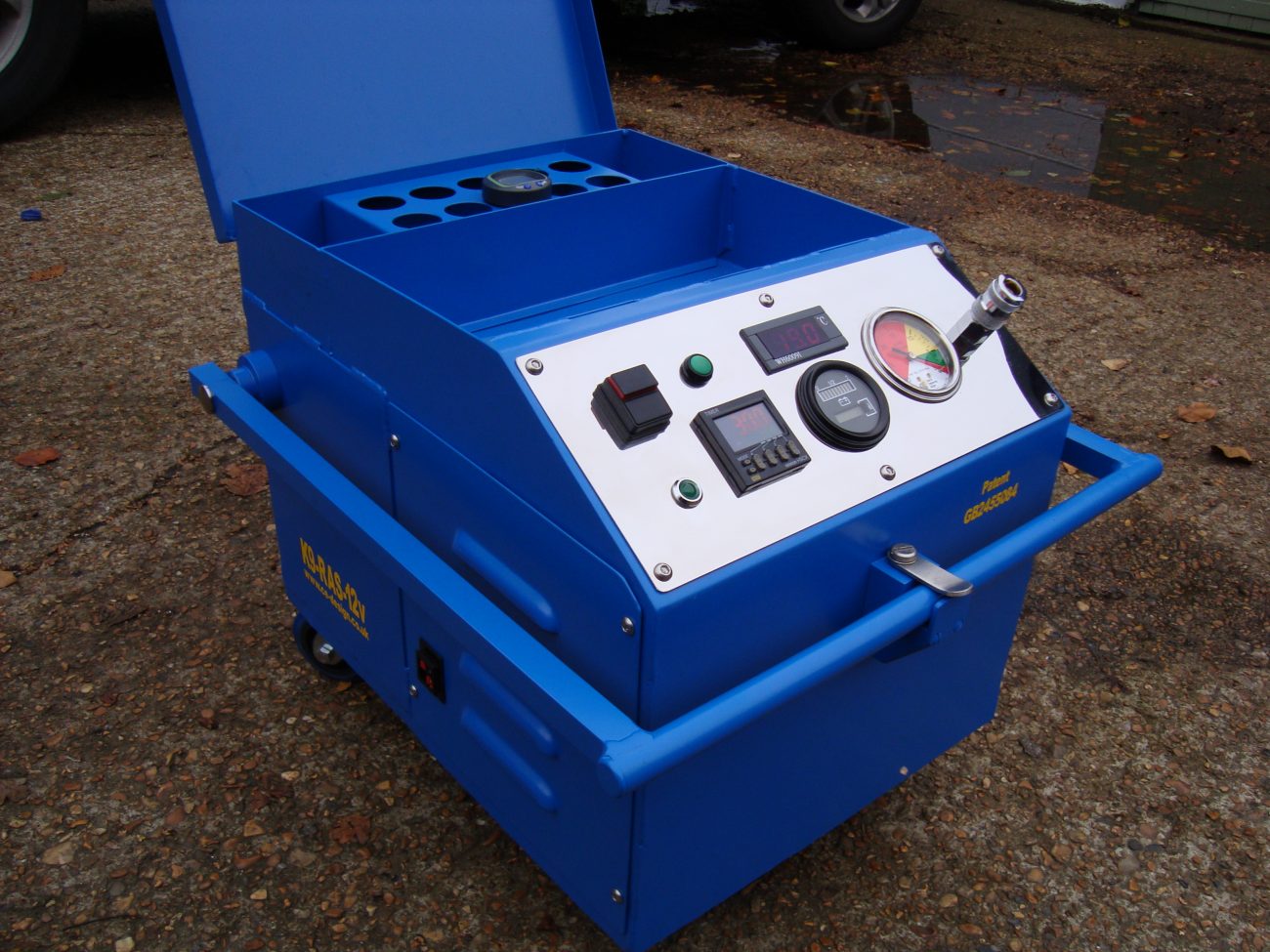
The 12V DC portable vacuum pump was developed along the lines of our 240v mains version and performs in exactly the same manor. With the added advantage of being completely portable and not needing any main supply to operate.
This takes REST to a whole new level allowing vapour sampling in areas that previously could not be explored without power.
This pump was made as a prototype and never made commercially produced. It could be made into a backpack or any other system and is covered by our Patent No; GB2455084. We would welcome any enquires as we feel this system has great potential. It could be used for gas exploration, land mines, missing persons or any form of vapour analysis by remote testing in remote locations.
